


Disclosure: Twofold Health publishes this comparison and is included in the ranking. Tools were last reviewed in June 2026, and we flag where a competitor is the better fit.
How we built this list
- Crawled r/FamilyMedicine, r/medicine & r/Residency (Jul 2024 – 2026) for posts sharing hands‑on experience.
- Kept the language raw—both praise and criticism—with a link to every quoted thread.
- Ranked tools by Reddit mention‑volume and relevance to routine primary‑care workflows (acute, chronic & preventive).
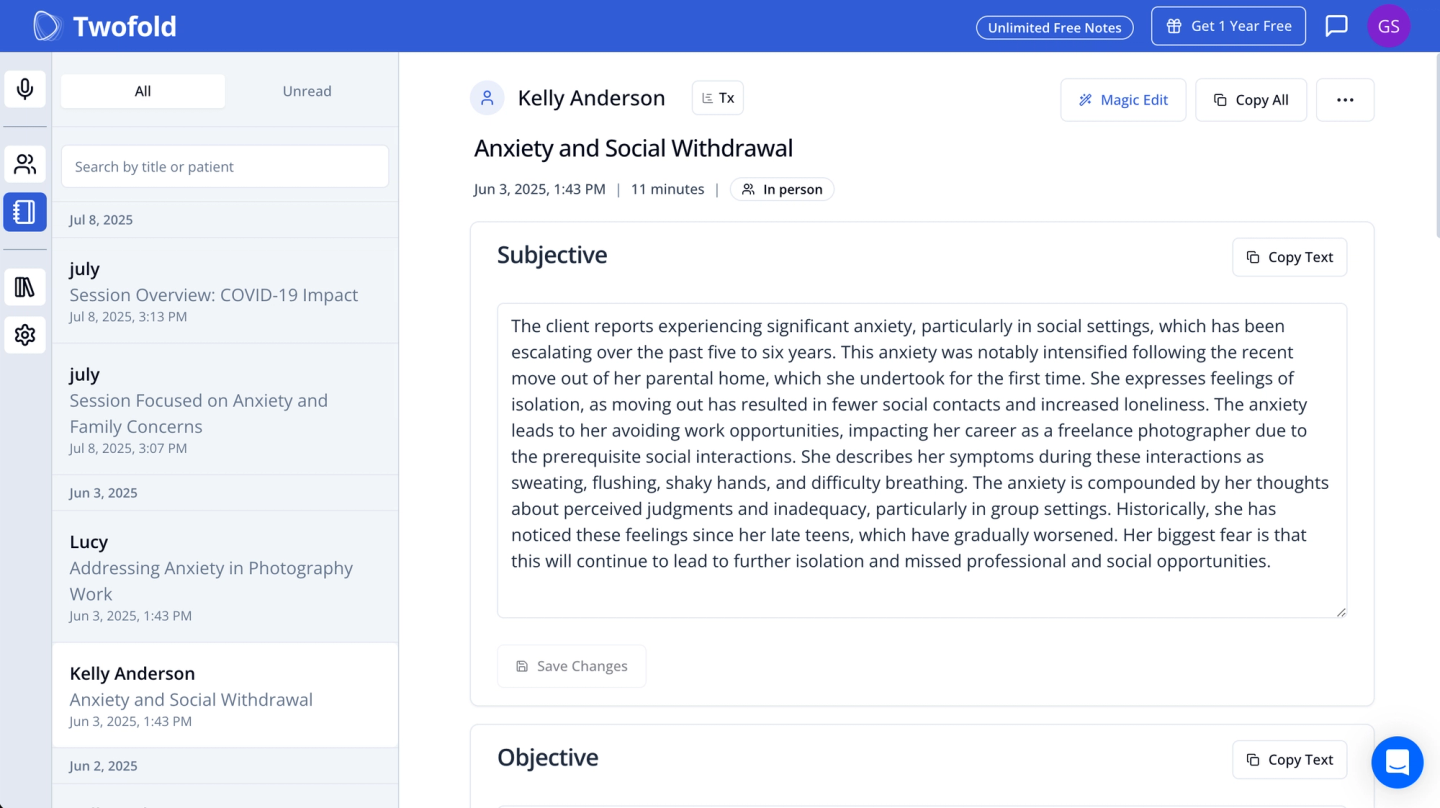
1. Twofold Health — Favorite among PCPs
One Twofold user says:
“We’ve been using Twofold Health and it’s amazing.” – u/Proper_Parking_2461
Another Reddit user says that:
“Twofold … really great. It’s affordable and really easy to use.” – u/Snoo‑9266
A Reddit user mentions that:
"Twofold is honestly wonderful. It’s the first one that didn’t feel like “AI homework"
- Pros
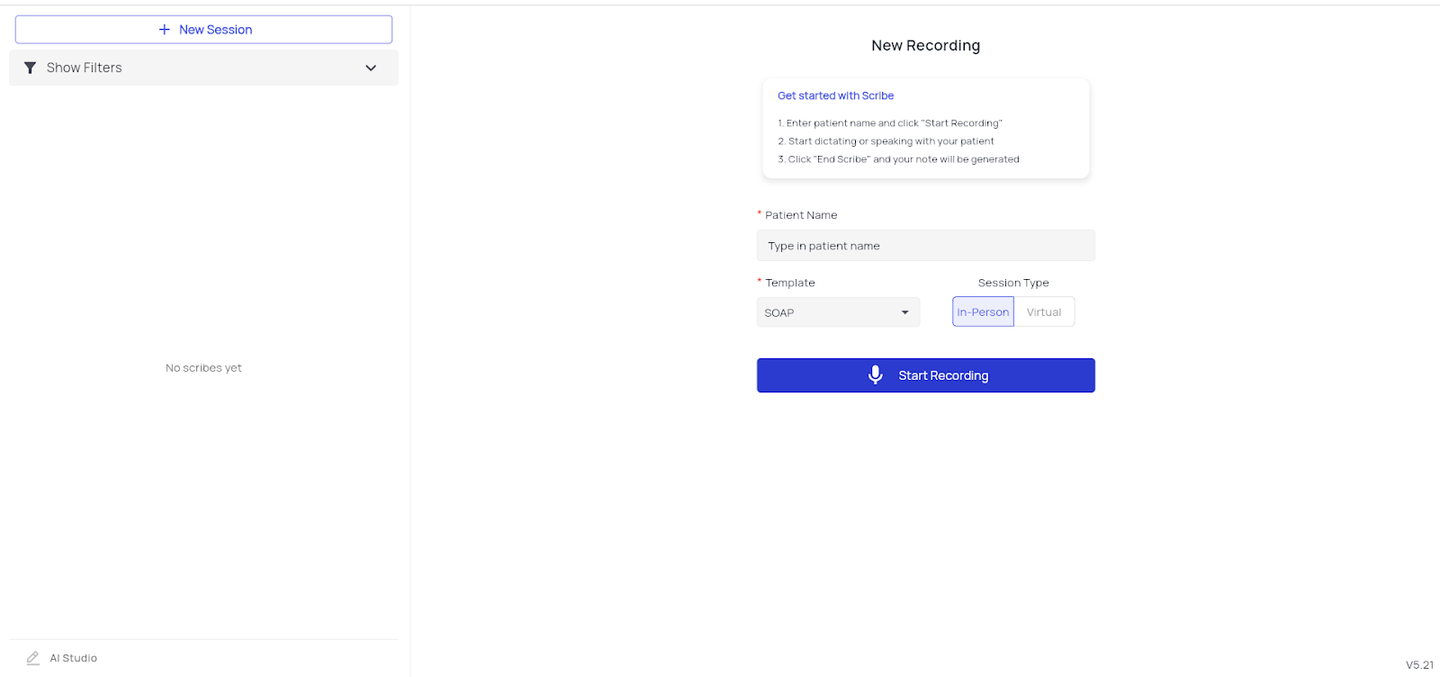
- Primary‑care‑ready templates (multi‑problem SOAP, wellness visit, med‑refill).
- ≈20 second draft turnaround—even on legacy clinic PCs.
- Flat $49/mo (annual) with BAA; no per‑minute audio fees.
- High accuracy even on ROS & multi‑problem visits according to FM users.
- Responsive customer support.
- Very accurate notes with the ability to create customized templates, which is great for medical-specific documentation.
- Cons
- No ability to sent the patient letter directly via email
2. Freed AI — Lightweight
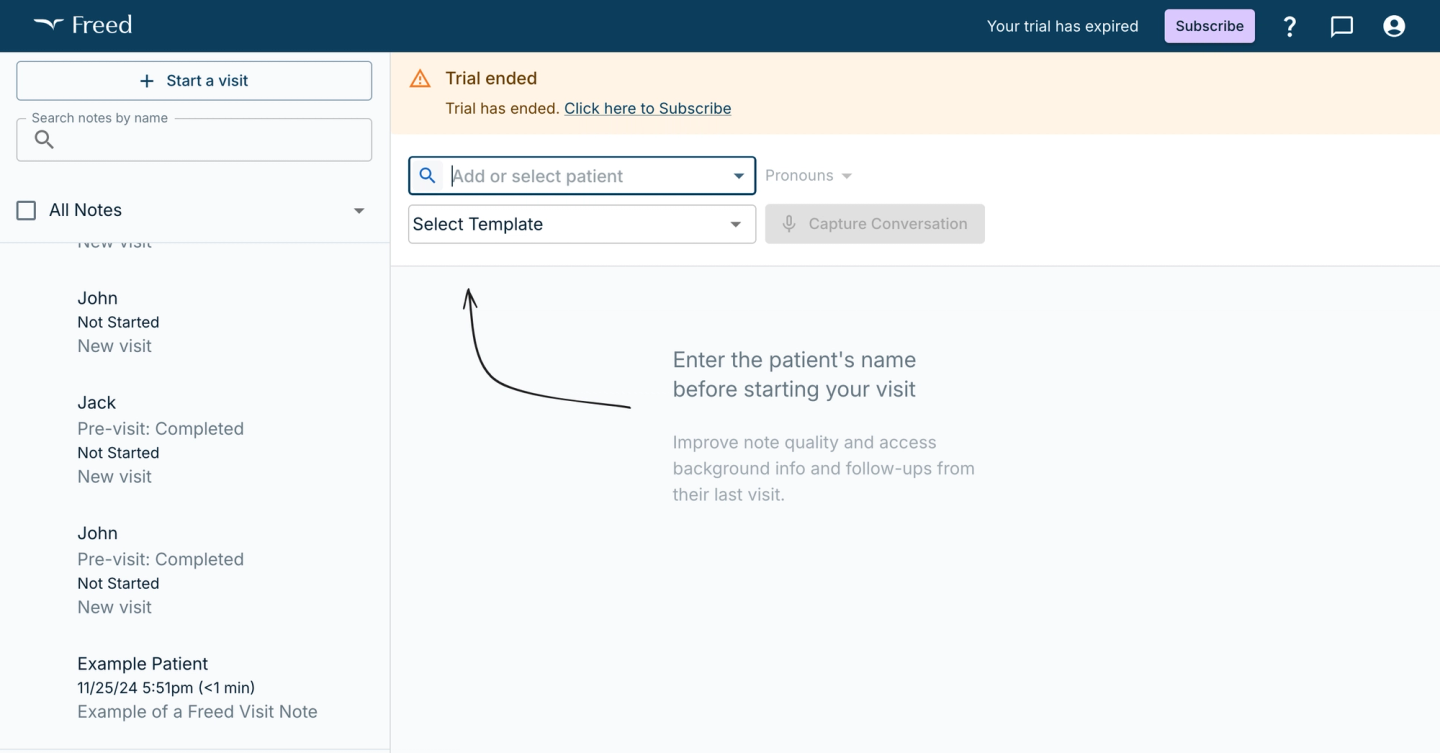
“Freed – a real AI service. Quick and efficient.” – u/grey‑doc on one of the comments in this subreddit.
- Cons
- Style drifts between notes; requires polishing.
- Free tier caps minutes; power users must upgrade.
- Some hallucinations were found
- Slow processing in peak hours
- Requires a steady internet connection; no true offline capture mode.
- Pros
- Browser + mobile apps; EHR‑agnostic copy‑paste.
- Flat monthly fee—no per‑minute billing.
3. Heidi Health — Feature‑dense,
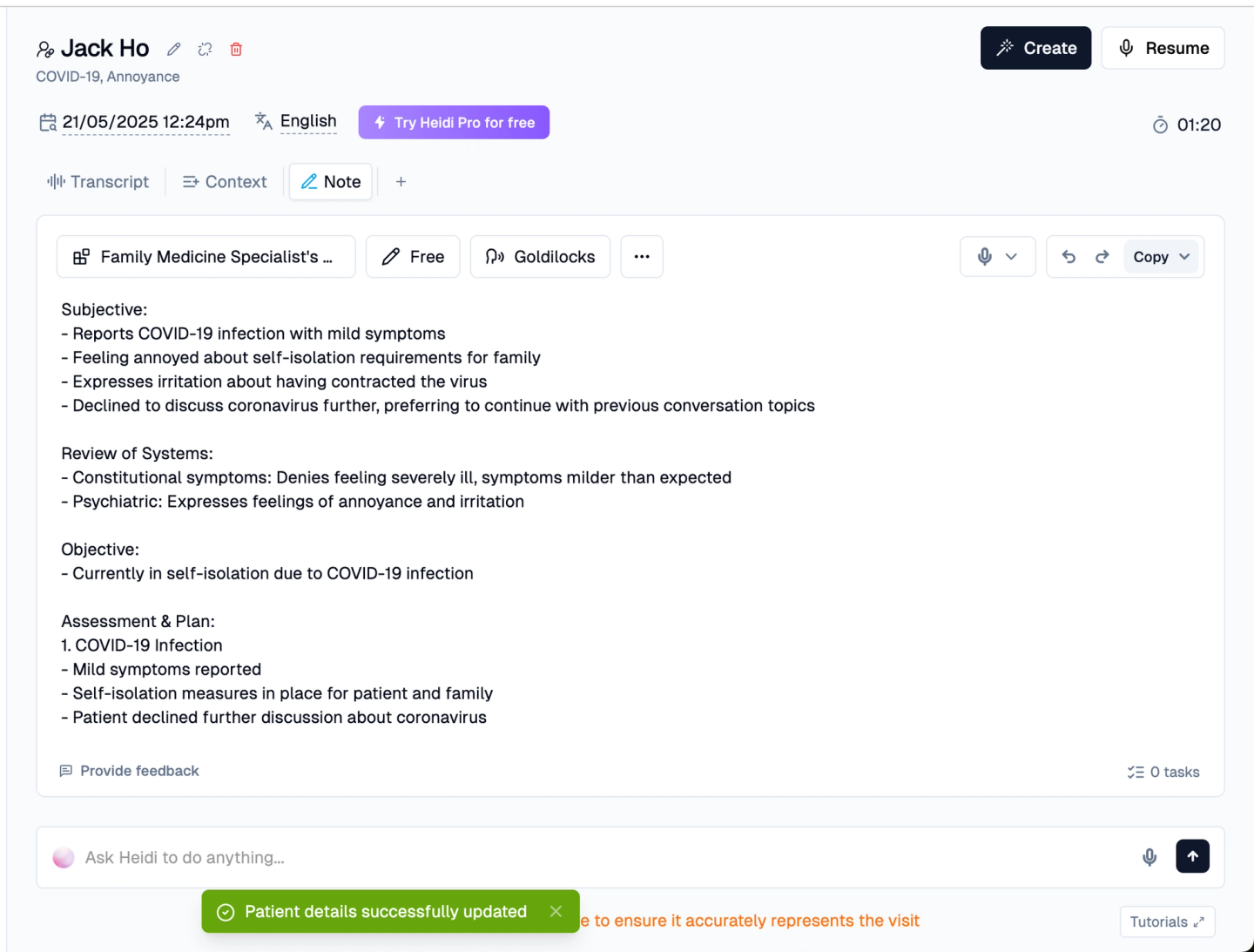
“Heidi – almost perfect. Phrasing is terse, hallucination rate low.” – u/grey‑doc Reddit
- Cons
- Heavy web UI slows on older clinic PCs.
- No Epic/Cerner sync yet.
- Higher‑volume plans can be pricey relative to other tools.
- Emphasis on primary‑care workflows may feel off‑target.
- Note hallucinations reported in complex cases.
- Pros
- Custom templates + “Ask Heidi” coding chat.
- Free tier available; Pro adds faster generation.
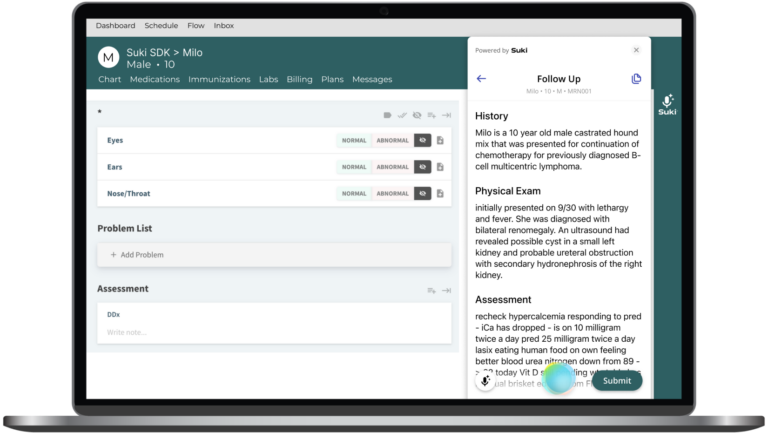
4. Suki AI — Mobile‑first ambient recorder
A Suki user says that:
“Suki … organizes HPI & A/P very accurately.” – r/medicine post by outpatient FM doc Reddit
- Cons
- ~$400 / mo via some groups—pricier than peers.
- Physical‑exam dictation feels clunky to some users.
- Best results depend on an external USB microphone- built‑in laptop mics reduce accuracy.
- Speech model struggles with some non‑U.S. English accents (e.g., Canadian, Scottish).
- Pros
- Pulls daily schedule from your EHR; start notes from phone.
- Voice‑only workflow frees the desktop for orders.
5. Abridge — Epic Ambient plug‑in
“Abridge integrated into Epic’s Ambient Listening… fraction of a human‑scribe cost.” – u/IntrepidLibrarian809
- Cons
- Stores session audio up to 30 days—may deter privacy‑sensitive clinics .
- Enterprise sales model; no solo‑clinician signup.
- Limited language support (currently English and Spanish only).
- Constant cloud streaming can use significant cellular data when not on Wi‑Fi.
- Pros
- One‑tap launch inside Haiku/Canto.
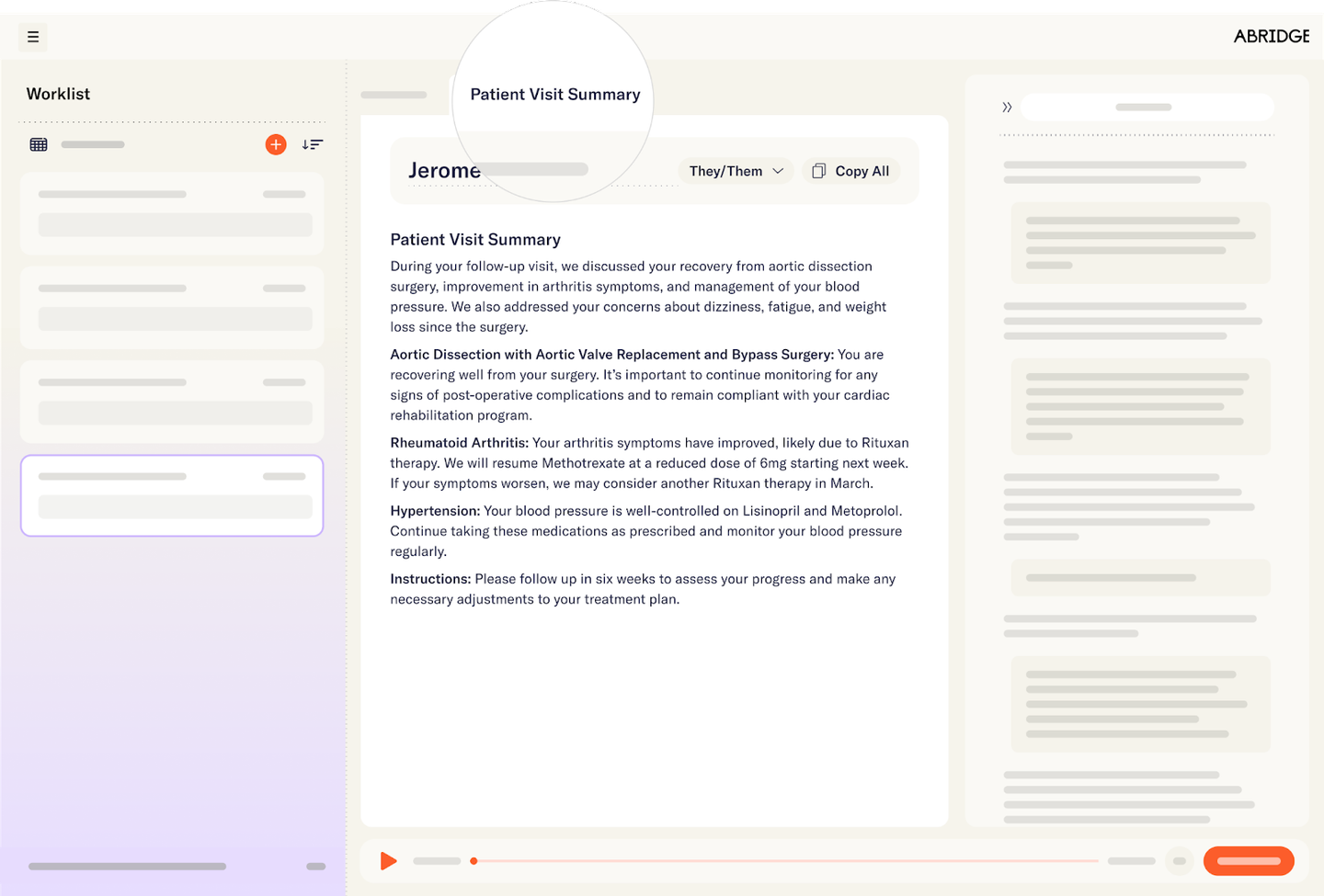
- Auto‑creates patient‑friendly visit recaps.
6. Nabla Copilot — Free‑tier magnet
“I like Twofold and Freed better, but Nabla is free, so I’ve been using that more.” – r/medicine thread OP Reddit
- Cons
- Free tier does not include a BAA, so HIPAA compliance requires a paid plan.
- Character‑limit on the prompt field can truncate lengthy dictations.
- Free plan limits encounters; fewer A&P helpers.
- Pros
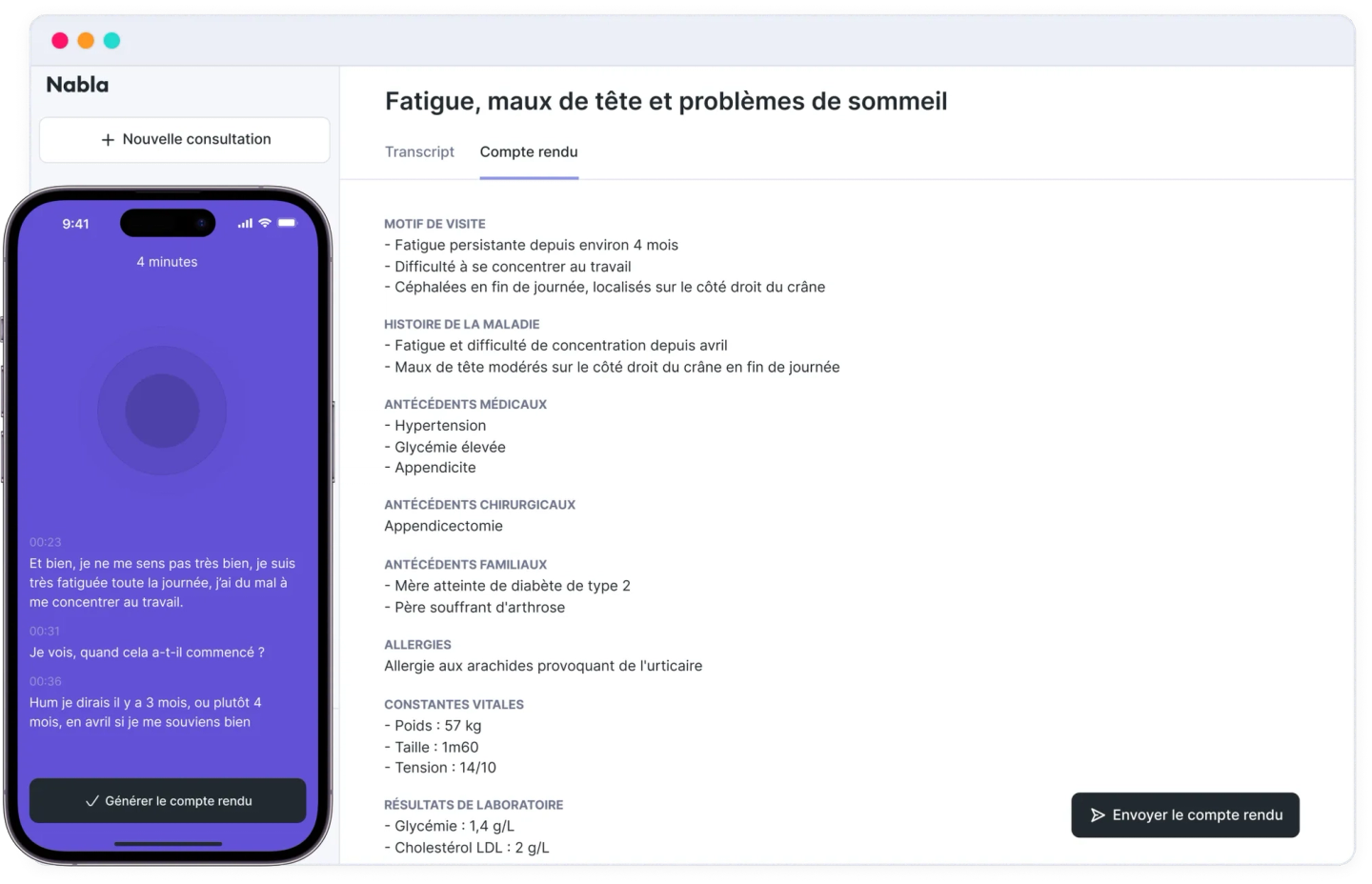
- Zero‑cost starter—great for residents.
- Chrome recorder with single‑click export.
7. DeepScribe — Human‑QA hybrid
“Deepscribe – horribly overpriced.” – u/grey‑doc
- Cons
- Turnaround slower (human review).
- Tier choice impacts feature access — Autonotes' 2026 plan refresh replaced the older session-capped tiers with Economy $14/mo (unlimited progress notes), First Class $34/mo (adds recording + custom templates), and Enterprise (custom). The old 300-encounter cap no longer applies.
- Raw audio transcripts aren’t downloadable for local backup.
- Customer‑support response times can exceed 48 hours, per multiple Reddit threads.
- Pros
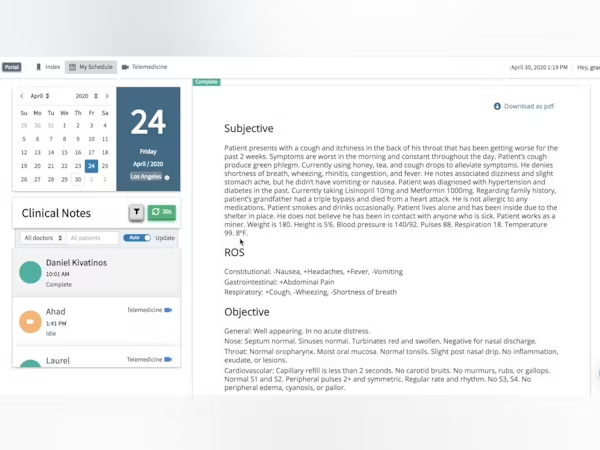
- Inserts vitals, labs, preventive gaps automatically.
- Human QA appeals to compliance‑heavy groups.
8. Athelas Scribe — Contract‑heavy, robust coding
Some users are looking for feedback and advice:
“Has anyone used Athelas AI Scribe? Our clinic is looking to integrate…” – r/FamilyMedicine post
- Cons
- 12‑month contract; reported ~$150/mo .
- General‑medicine focus—FM templates need tweaking.
- Output quality drops noticeably with low‑quality exam‑room microphones.
- Cloud‑only workflow—no ability to generate notes while fully offline.
- Pros
- Strong multi‑speaker recognition (caregivers, interpreters).
- Built‑in ICD‑10/CPT suggestions.
9. DAX Copilot (Nuance) — Premium hospital‑system choice
Many complain about pricing:
“My colleagues really like DAX… but it’s expensive.” – u/anhydrous_echinoderm
- Cons
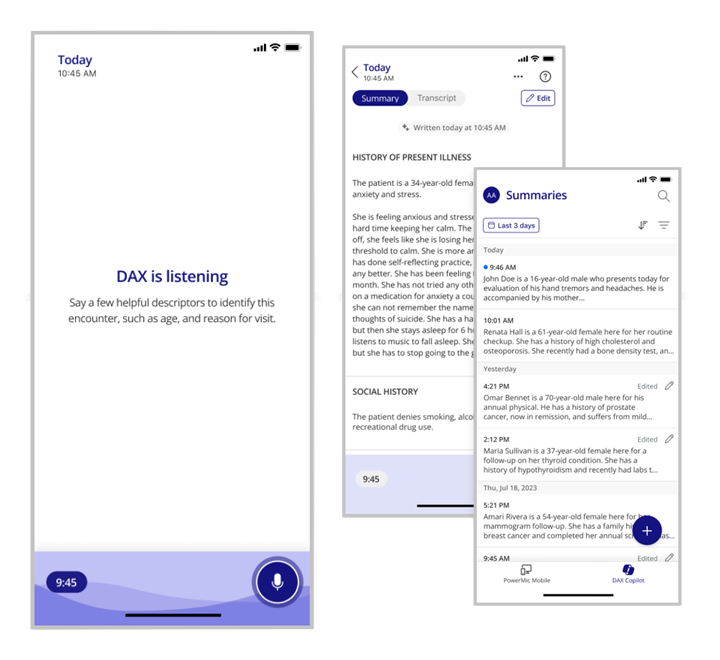
- Dragon Copilot (the new brand for DAX Copilot after the 2025-2026 unification) lists Per-User at $1,512/mo (cut 57% from $3,528 on May 1, 2026), Flex at $604.80/mo + pay-as-you-go ambient, and enterprise contracts in the $369–$830/mo range with ~$650–$700 setup. The legacy Physician Practice offer reached end-of-sale on May 1, 2026.
- Only for Dragon‑compatible EHRs.
- Implementation requires Dragon licensing and IT involvement, extending rollout timelines.Full onboarding—including user‑voice training—can take 4‑6 weeks before clinicians reach peak accuracy.
- Pros
- Deep Epic & Cerner hooks.
- High‑quality problem‑oriented A&P.
Final Verdict
How the ranked tools score at a glance:
Rank | Tool | Score (/10) |
|---|---|---|
1 | Twofold Health | 9.3 |
2 | Freed AI | 9.0 |
3 | Heidi Health | 8.8 |
4 | Suki AI | 8.5 |
5 | Abridge | 8.2 |
6 | Nabla Copilot | 8.0 |
7 | DeepScribe | 7.7 |
8 | Athelas Scribe | 7.5 |
9 | DAX Copilot (Nuance) | 7.2 |
Scores (out of 10) are a weighted blend of note quality, format coverage, EHR fit, HIPAA compliance, and price — weighted for this comparison's criteria.
Across hundreds of Reddit comments, Twofold Health delivers the most balanced mix of affordability, primary‑care‑specific templates, and sub‑30‑second draft speed. For clinics that want the best AI scribe without multi‑year contracts or enterprise hoops, Twofold is the safest first pilot in 2026. Opt for Freed if ultra‑low cost trumps template depth, Abridge/DAX for Epic exclusives, or Suki if you live on your phone—but Twofold stands out as the most versatile choice for everyday family medicine and primary care visits. See also our best AI scribe for physicians.