


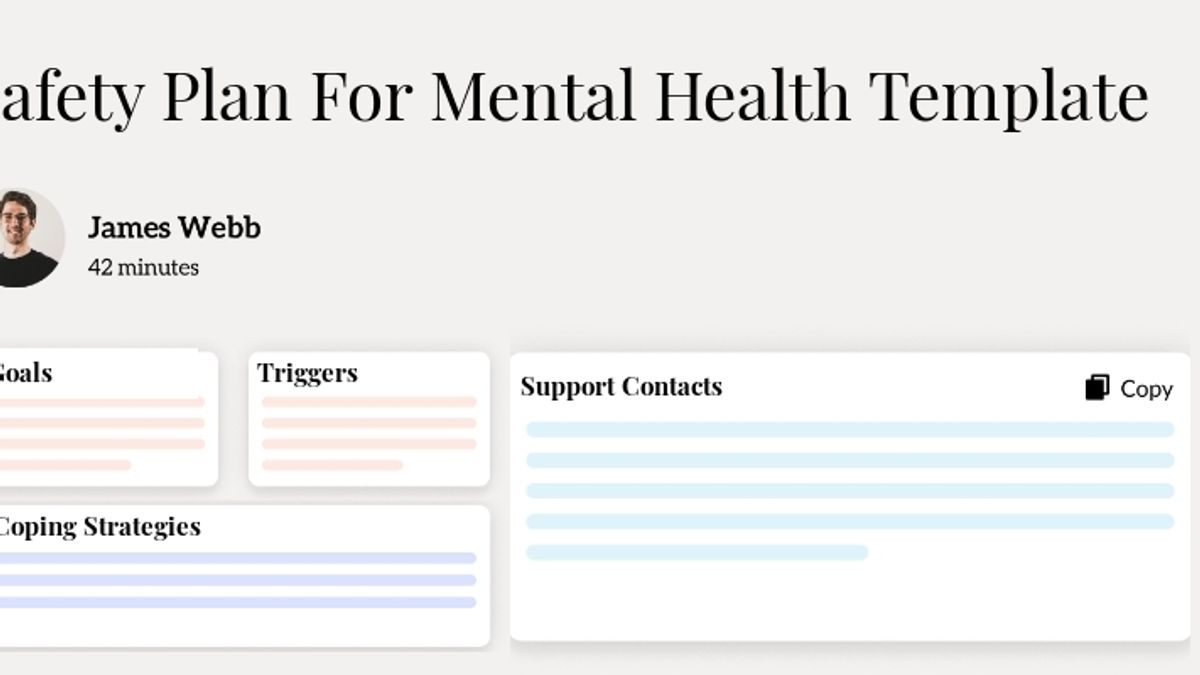
We all know mental health is crucial, but what happens when someone is in crisis? Handling urgent situations can be tricky and stressful for all involved. This is why having a well‑structured Safety Plan for Mental Health template can make a world of difference. It’s all about creating a safe pathway through the storm, enabling individuals and caregivers to work collaboratively. Let's explore how these templates can be lifesavers in more ways than one.
What Is a Safety Plan for Mental Health Template?
A Safety Plan for Mental Health template is a structured document that helps individuals and healthcare providers identify strategies and resources to maintain safety during mental health crises. It outlines steps to take, whom to contact, and personalized coping strategies to manage situations effectively.
This template is a collaborative tool that serves as both a preventive measure and an intervention method, ultimately helping to manage and mitigate episodes of distress before they escalate.
Key Components of a Safety Plan for Mental Health
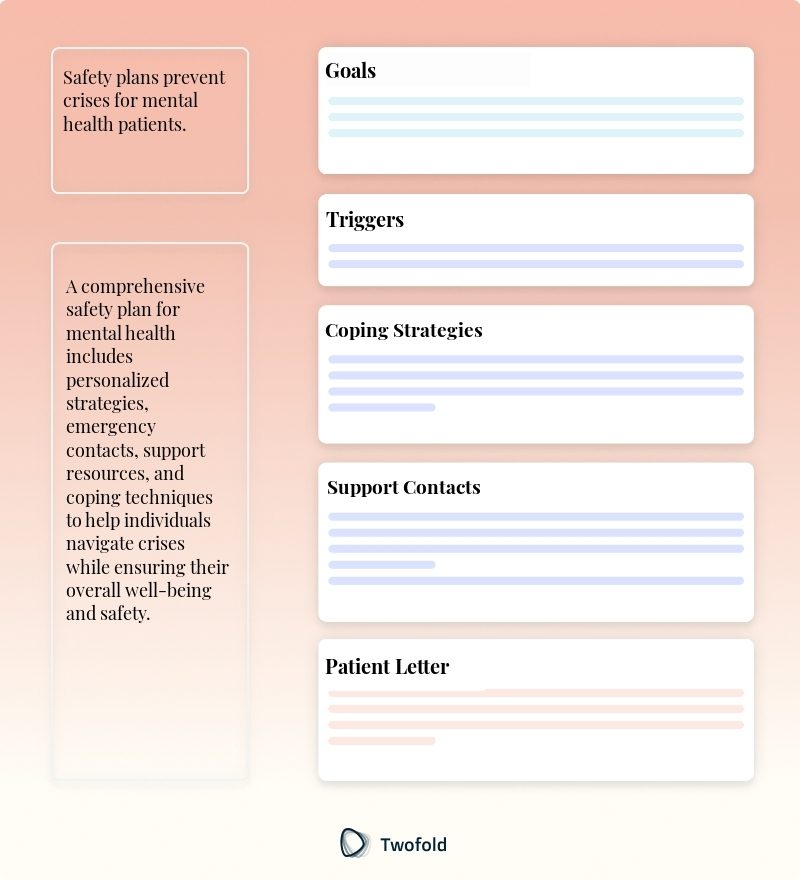
Every effective Safety Plan for Mental Health template should include these key elements:
- Warning signs: Identify the behaviors or thoughts that indicate a mental health crisis is emerging.
- Coping strategies: Personalized actions or activities that can help calm or distract the individual.
- Support contacts: List of friends, family, or mental health professionals who can be contacted during a crisis.
- Emergency resources: Contact information for crisis centers or hotlines.
- Environmental changes: Specific adjustments that can make the individual feel more secure and comfortable.
How to Use a Safety Plan for Mental Health Template: Step-by-Step Process
- Identify personal warning signs that a crisis may be brewing.
- Select effective coping strategies previously tested and validated.
- Compile a list of supportive individuals the person trusts.
- Document emergency resources that are readily accessible.
- Review the plan regularly and update as necessary to match changes in the individual's mental health status.
- Communicate and review the plan with involved parties to ensure everyone is on the same page.
Benefits of a Safety Plan for Mental Health
Benefit | Description |
|---|---|
Preparedness | Helps individuals and caregivers feel ready to handle crises. |
Calming | Provides a psychological relief by knowing there’s a step-by-step approach in place. |
Efficiency | Streamlines crisis response, reducing the time to action. |
Personalization | Addresses specific triggers and coping methods for better outcomes. |
Collaboration | Enhances communication between the individual and their support network. |
Stakeholders in Safety Plan for Mental Health
Creating a safety plan involves multiple stakeholders who each play an important role:
- Patients: They provide personal insights, which are critical for tailoring the safety plan. Example: Sharing personal triggers like crowded spaces.
- Healthcare Providers: They offer professional advice and recommendations. Example: Suggesting evidence-based coping mechanisms.
- Family Members: They offer emotional support and help execute parts of the safety plan. Example: Being available as a contact person during high-stress situations.
- Mental Health Support Workers: They provide ongoing monitoring and adjustments to the plan. Example: Conducting regular check-ins to ensure the plan's effectiveness.
Example of a Safety Plan for Mental Health Template
An example of a safety plan might include sections for warning signs, coping strategies, people to contact, and essential resources. Each section is customized to reflect the individual's unique needs and situation.