


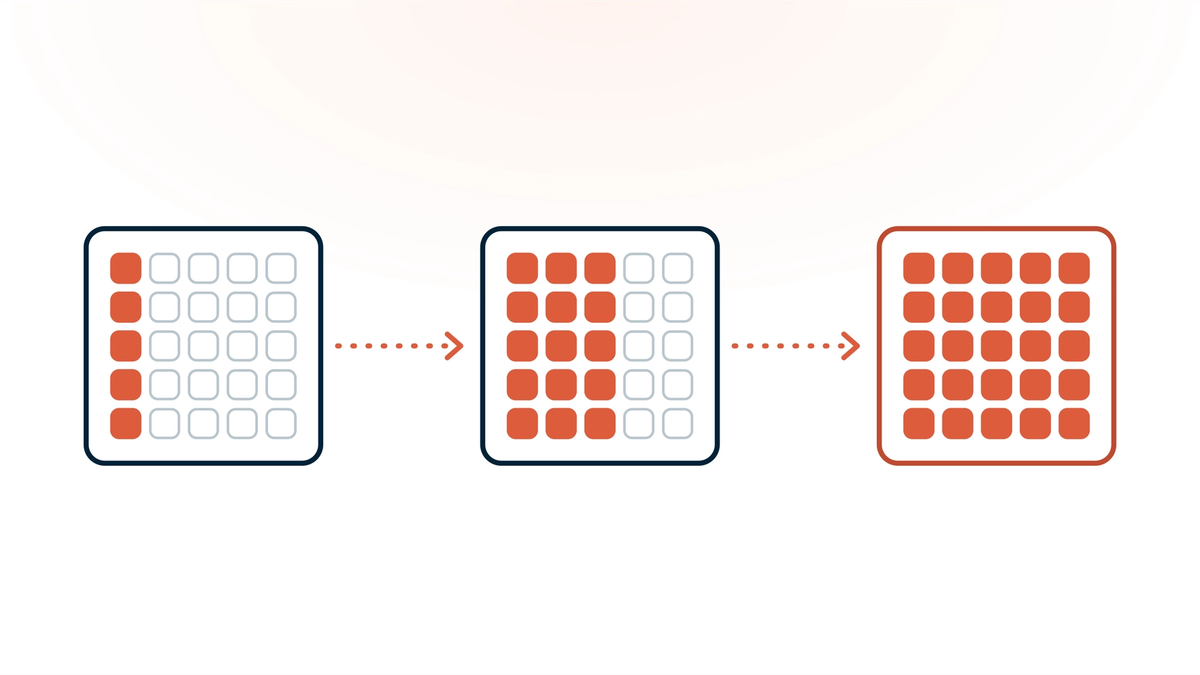
Growing a therapy practice from solo to full caseload requires more than clinical skill; it demands a structured, ethical business strategy. Many clinicians struggle with unpredictable referrals and unclear next steps. This article offers a stage‑based roadmap with practical caseload math at each stage. You will learn how to market ethically, strengthen referrals, and improve retention without compromising care.

Stage 1: The Foundation (0–10 Clients)
Focus: Establishing your identity and foundational infrastructure.
Actionable Steps:
- Define Your Niche: Avoid being a generalist. Identify a specific demographic or issue (e.g., "Perinatal Mood Disorders" or "Teens with ADHD") to stand out.
- Secure the Basics: Ensure your HIPAA-compliant EHR, voicemail, and business bank account are set up.
- The Launch: Announce your practice to your network. Do not solicit former clients; instead, inform referral sources (former supervisors, colleagues) that you are accepting new clients.
The Caseload Math for Stage 1
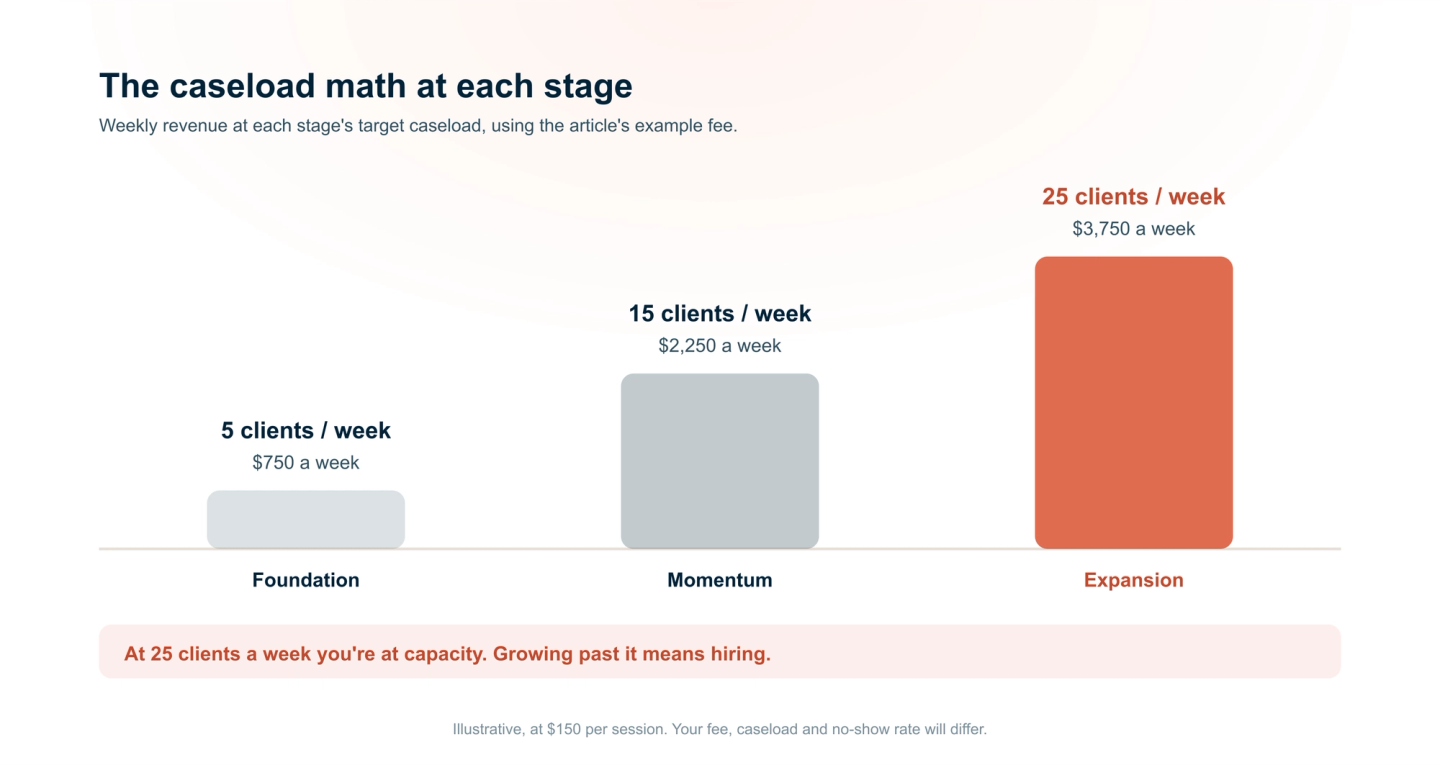
- Goal: 5 clients/week.
- Math: 5 clients x $150/session = $750/week.
- Strategy: Focus on low-cost, high-effort marketing (Psychology Today profile optimization, networking).
Stage 2: Gaining Momentum (11–20 Clients)
Focus: Systemizing referrals and establishing a digital footprint.
Actionable Steps:
- Optimize Directory Listings: Ensure your Psychology Today and TherapyDen profiles are SEO-friendly and use your niche keywords.
- Content Marketing: Start a simple blog or newsletter addressing common questions within your niche. This establishes authority and trust.
- Google Business Profile: This is important for local SEO. Keep it complete and current, but don't ask clients for reviews: the APA and ACA codes bar soliciting testimonials from current clients, and the ACA code extends that to former clients.
The Caseload Math for Stage 2
- Goal: 15 clients/week.
- Math: 15 clients x $150/session = $2,250/week.
- Strategy: You are now filling gaps in your schedule. Also consider offering sliding-scale spots or slightly expanding your hours.
Stage 3: The Expansion (21–30+ Clients)
Focus: Retention, optimization, and preparing for the next phase (Group Practice).
Actionable Steps:
- Retention Strategies: Reduce no-show clients by sending automated appointment reminders. Implement a waitlist policy to fill cancellations immediately.
- Diversify Referral Streams: Don't rely on a single source. Connect with local pediatricians, schools, or psychiatrists.
- Raise Your Rates: If your schedule is 80% full and you have a waitlist, it is time to increase your fee for new clients.
The Caseload Math (Stage 3)
- Goal: 25 clients/week.
- Math: 25 clients x $150/session = $3,750/week.
- Strategy: At this stage, you are at capacity. You have two choices: continue turning people away or start thinking about hiring.
Ethical Marketing vs. Aggressive Sales
Do: Focus on education and community building.
Don't: Use high-pressure sales tactics or guarantee specific outcomes.
Ethical vs. Ineffective Marketing
Strategy | Ethical Approach | Ineffective/Avoid |
|---|---|---|
Social Media | Psychoeducation, mental health tips | Before/After photos, client testimonials |
Networking pitches | Focus on building reciprocal relationships | Cold-calling doctors offices with sales |
Advertising | Google Ads for specific keywords | Promising "quick fixes" or "miracle treatments" |
Conclusion
Growing a therapy practice from solo to full caseload is a deliberate, stage‑based process. By focusing on the three highlighted stages above, and applying caseload math at each stage, you can build sustainably without compromising ethical standards. Prioritize ethical marketing, diverse referral streams, and strong retention strategies to maintain a full schedule. Once your solo caseload reaches capacity, consider scaling into group practice.