


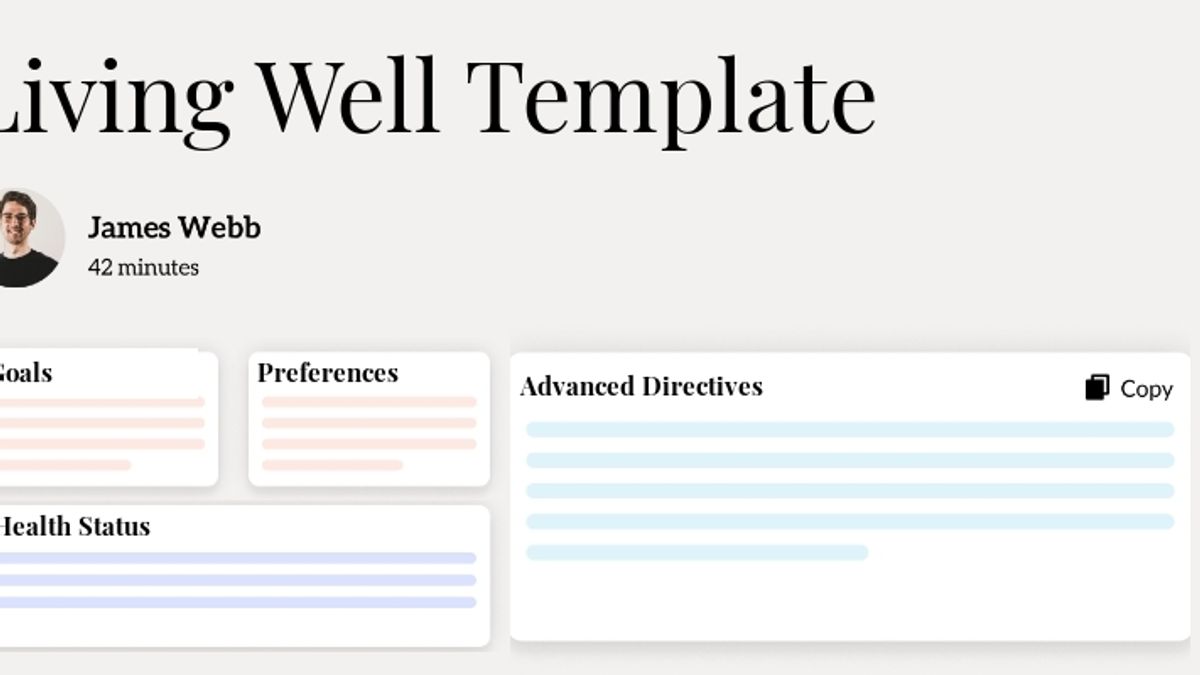
Chances are you're here because you're grappling with the challenge of organizing patient care information efficiently. You're not alone! The struggle is real, especially when it seems like there's a deluge of paperwork and digital forms clawing for your attention. Say hello to your new best friend ‑ the Living Well Template. It's designed to streamline, clarify, and make your notes not just practical, but a joy to work with.
What Is a Living Well Template?
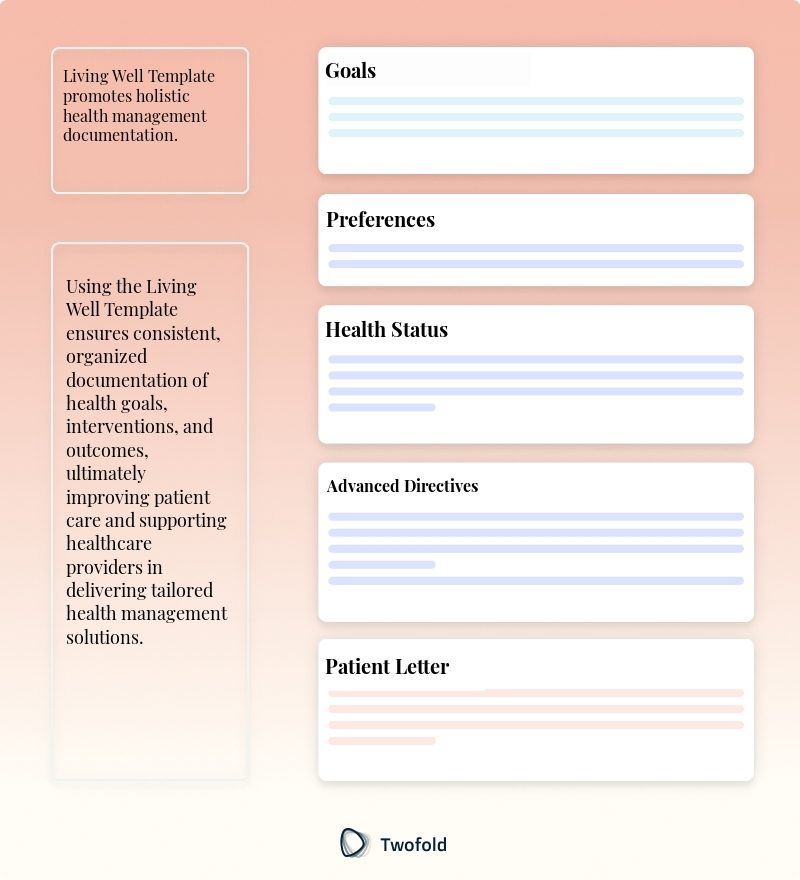
The Living Well Template is a structured medical documentation tool tailored to capture the nuances of patient care plans and wellness goals. Its primary purpose is to provide a comprehensive framework that supports healthcare providers in delivering consistent, patient‑centric services.
The template typically includes sections for patient information, lifestyle goals, medical history, ongoing treatments, and follow‑up plans, organized to ensure clarity and facilitate seamless communication between multidisciplinary teams.
Key Components of a Living Well Template
This template typically consists of several integral components essential for effective patient management:
- Patient Information: Demographics, contact details, and emergency contact information.
- Medical History: Comprehensive overview of past medical conditions, surgical history, and family medical background.
- Lifestyle and Goals: Customized lifestyle goals including diet, exercise, and wellness objectives.
- Current Medication: List of ongoing medications along with dosages and administration routes.
- Treatment Plan: Scheduled interventions, therapies, and clinical evaluations.
- Follow-up and Review: Documentation of scheduled reviews and notes on progress.
How to Use a Living Well Template: Step-by-Step Process
Step 1: Review Patient Information
Begin by verifying and updating the patient’s personal details and medical records.
Step 2: Document Health Goals
Collaborate with the patient to establish realistic and beneficial health and lifestyle goals.
Step 3: Outline Current Treatments
List any ongoing treatments, medications, and other health management plans in progress.
Step 4: Develop a Care Plan
Organize a detailed care plan addressing all identified goals, and include timelines for each step.
Step 5: Schedule Follow-Ups
Plan follow‑up appointments and document the schedule to track the patient’s progress effectively.
Benefits of a Living Well Template
Benefit | Description |
|---|---|
Improved Clarity | Organized information facilitates better understanding and decision-making. |
Time Efficiency | Saves time by providing quick access to essential patient information. |
Enhanced Communication | Fosters clearer communication among healthcare team members. |
Patient Engagement | Involves patients in their care plans, promoting adherence to health goals. |
Stakeholders in Living Well Template
The template involves several stakeholders each with specific roles and contributions.
- Healthcare Providers: Physicians and nurses use the template to create personalized care plans. Example: A nurse documents a patient's blood pressure readings to adjust medication dosages.
- Patients: Active participation in setting and tracking lifestyle goals. Example: A patient records their daily exercise routine to meet health objectives.
- Family Members: Support system in implementing the care plan. Example: A family member ensures the patient adheres to their medication schedule.
- Administrators: Monitor documentation compliance and quality control. Example: Administrators audit the note for completeness as per healthcare standards.
Example of a Living Well Template
Here’s a glimpse into what a filled‑out Living Well Template might encompass for a fictitious patient named John Doe. It includes his personal details, health goals, ongoing treatments, and care plan.