

Free for a week, then $19 for your first month
Template

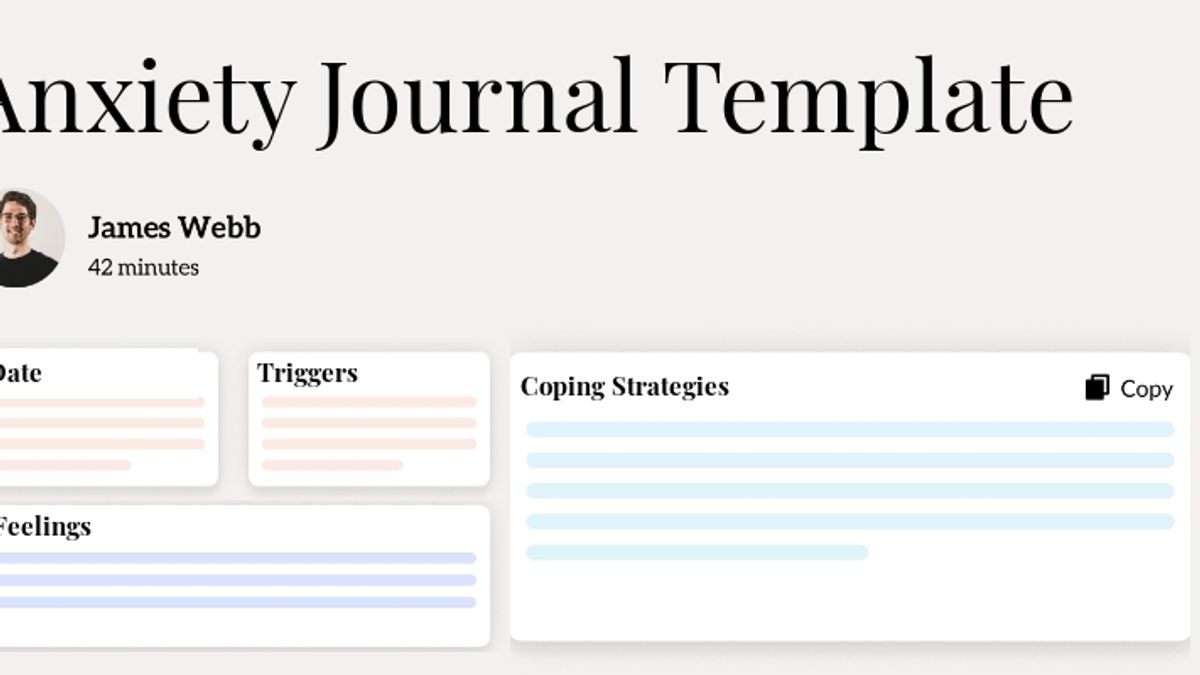
Anxiety Journal Template

Discover practical Anxiety Journal templates to enhance your documentation efficiency.

Anxiety Journal Template Hero Image

Feeling overwhelmed by anxiety can often make it tough to keep your thoughts organized and focused. It’s not unusual to feel a bit lost, wondering how to manage those swirling thoughts and emotions. An anxiety journal template might just be the ideal solution to help you sort through your feelings, track triggers, and cultivate a sense of calm. If you've been searching for a structured way to address anxiety, read on!

What Is a Anxiety Journal Template?

An anxiety journal template is a structured document that assists individuals in logging their anxiety‑related thoughts and experiences. By providing a clear format, it encourages consistent entries and helps in capturing critical emotional insights.

The template typically includes sections for identifying triggers, describing emotional states, and noting coping mechanisms, making it easier for users to track their progress over time.

Key Components of a Anxiety Journal Template?

A well‑designed anxiety journal template should include the following key components:

  • Date and time of the entry
  • Identified triggers or situations causing anxiety
  • Description of feelings and thoughts at the moment
  • Coping strategies employed
  • Reflection on what worked and what didn’t
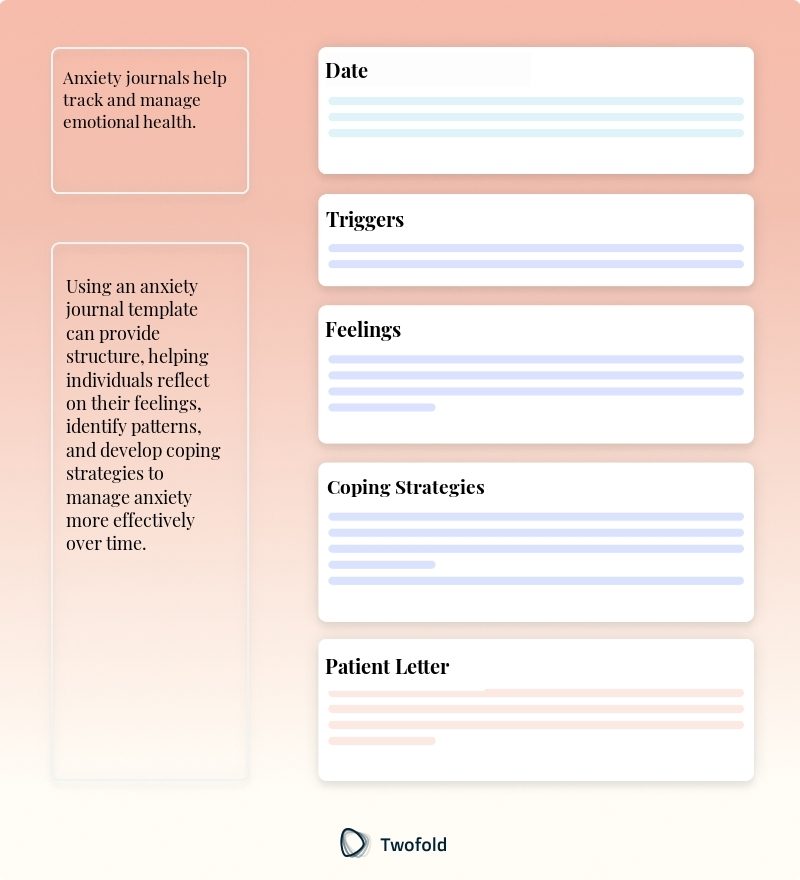
Key Components of Anxiety Journal Template

How to Use a Anxiety Journal Template: Step-by-Step Process

  1. Download or create your anxiety journal template.
  2. Set a specific time each day to reflect and write.
  3. Begin with the date and time of your entry.
  4. Identify your triggers for the day.
  5. Detail your feelings and thoughts in response to those triggers.
  6. Document any coping strategies you used.
  7. Reflect on the effectiveness of those strategies.
  8. Close the entry with any additional insights or thoughts.

Benefits of a Anxiety Journal Template

Benefit

Description

Improved Awareness

Recognizing triggers and responses helps in managing anxiety.

Enhanced Coping Strategies

Identifying what works and what doesn’t allows for better responses in the future.

Emotional Processing

Writing helps in processing emotions and reducing their intensity.

Progress Tracking

Regular journaling provides a clear path of progress over time.

Structured Reflection

Encourages structured thought processes rather than chaotic emotional responses.

Stakeholders in Anxiety Journal Template

The anxiety journal template can benefit various stakeholders who play a role in mental health support:

  • Patients: An individual struggling with anxiety can clearly see their patterns of thought and behavior, making it easier to communicate with their healthcare provider.
  • Therapists: Mental health professionals can gain insights from the journal entries, tailoring their therapeutic approach based on documented triggers and responses.
  • Family Members: Family can understand the struggles a loved one is facing, fostering empathy and support in daily situations.
  • Support Groups: Group members can share insights or recommendations based on common entries, enhancing collective coping strategies.

Example of a Anxiety Journal Template

Here’s a sample structure of what an anxiety journal template may include:

  • Date:
  • Trigger:
  • Feelings:
  • Coping Strategy Used:
  • Effectiveness:
  • Additional Notes:
See Template Example

Real-World Use Cases: Practical Impact of the Anxiety Journal Template

The anxiety journal template can serve numerous practical purposes in real‑life scenarios:

  • Exam Anxiety: a teenager documenting anxiety before exams can pinpoint specific triggers and cope better by practicing relaxation techniques.
  • Work Related Stress: a working professional identifying work-related stressors can initiate conversations with their manager about workload balance.
  • Life Changes: an individual preparing for an important life transition (like moving) can track fluctuations in anxiety levels, helping to create a plan to stay grounded.
  • Improving Quality of Care: a person in therapy can equip their therapist with comprehensive insights, forming a stronger therapeutic alliance based on shared knowledge.

Conclusion

This exploration of the anxiety journal template highlights its practical benefits and the significant role it plays in managing anxiety. By capturing triggers, feelings, and effective coping strategies, users can not only track their emotional health but also foster greater self‑awareness. Engage with this tool to streamline your thoughts and pave the way for a more manageable day‑to‑day experience.

Disclaimer: This article is for informational purposes only and does not constitute legal or medical advice. Always consult professional guidelines and regulatory bodies for specific compliance requirements.

FAQ

Frequently asked questions

  • What are some advanced considerations when using this template in complex cases?

    When coding for anxiety‑related treatments, consider comorbid conditions that may impact diagnosis and treatment decisions.

    Be aware of specific diagnostic criteria changes in encounter codes that could affect categorization of anxiety disorders.

    Outcome assessment tools can be integrated into treatment plans for enhanced tracking and coding of patient progress.

  • How does this template interact with other related procedures or billing requirements?

    Understand how to use this code in conjunction with psychotherapy codes, as multiple services may need to be billed on the same day.

    Be cautious of documentation requirements, as supporting evidence for both anxiety treatment and co‑existing disorders must be clearly articulated.

    Ensure compliance with insurance guidelines, as they may require specific forms of evidence or additional coding for concurrent therapies.

  • What are some practical tips for optimal implementation of this template?

    Train staff on the nuances of coding and billing procedures related to anxiety to ensure compliance and accuracy.

    Maintain thorough documentation practices to support coding choices—this includes detailed notes on triggers and coping strategies used by patients.

    Regularly review updated coding guidelines and payer requirements to adapt to any changes in regulations that may affect billing.