

Mentalyc vs Upheal Comparison
Selecting an AI note‑taking tool can significantly streamline a therapist’s documentation process. Mentalyc and Upheal stand out with their unique features and benefits. Mentalyc is ideal for independent therapy practices, offering a wide range of features at competitive prices. Conversely, Upheal specializes in advanced session insights and extensive analytics, though it comes with a higher price tag.
Therapists should weigh their specific needs against the strengths and limitations of each tool. The affordability and comprehensive features of Mentalyc contrast with the detailed session analytics of Upheal. This comparison aims to assist in determining the best fit for your practice.
Feature | Mentalyc | Upheal |
|---|---|---|
Target Audience | Independent therapists | Therapists seeking detailed analytics |
Dictation | ||
Custom Note Format | ||
Unlimited Free Tier | Free tier doesn't exist; 14-day full PRO trial (15 notes, no credit card) | Free plan offers unlimited notes (feature-limited); paid use is per-session up to a $69/mo cap |
Real-Time In-Consult Written Additions | ||
Pricing | Tiered $19.99–$119.99/mo (Mini/Basic/Pro/Super); annual saves ~$5–20/mo per tier; Team $49.99–$59.99/seat unlimited | Free tier + usage-based paid pricing ($1/session capped at $69/mo per provider) + Enterprise custom — moved from tiered subscriptions in 2026 |
Data Security | HIPAA compliant | HIPAA compliant |
Create, Store, and Reuse Custom Templates | Does not exist | Does not exist |
Free-Text AI Prompt to Generate Any Document | Not available, limiting flexibility in document creation. | Not available, limiting flexibility in document creation. |
Template Customization | Offers flexibility | Customizable templates available |
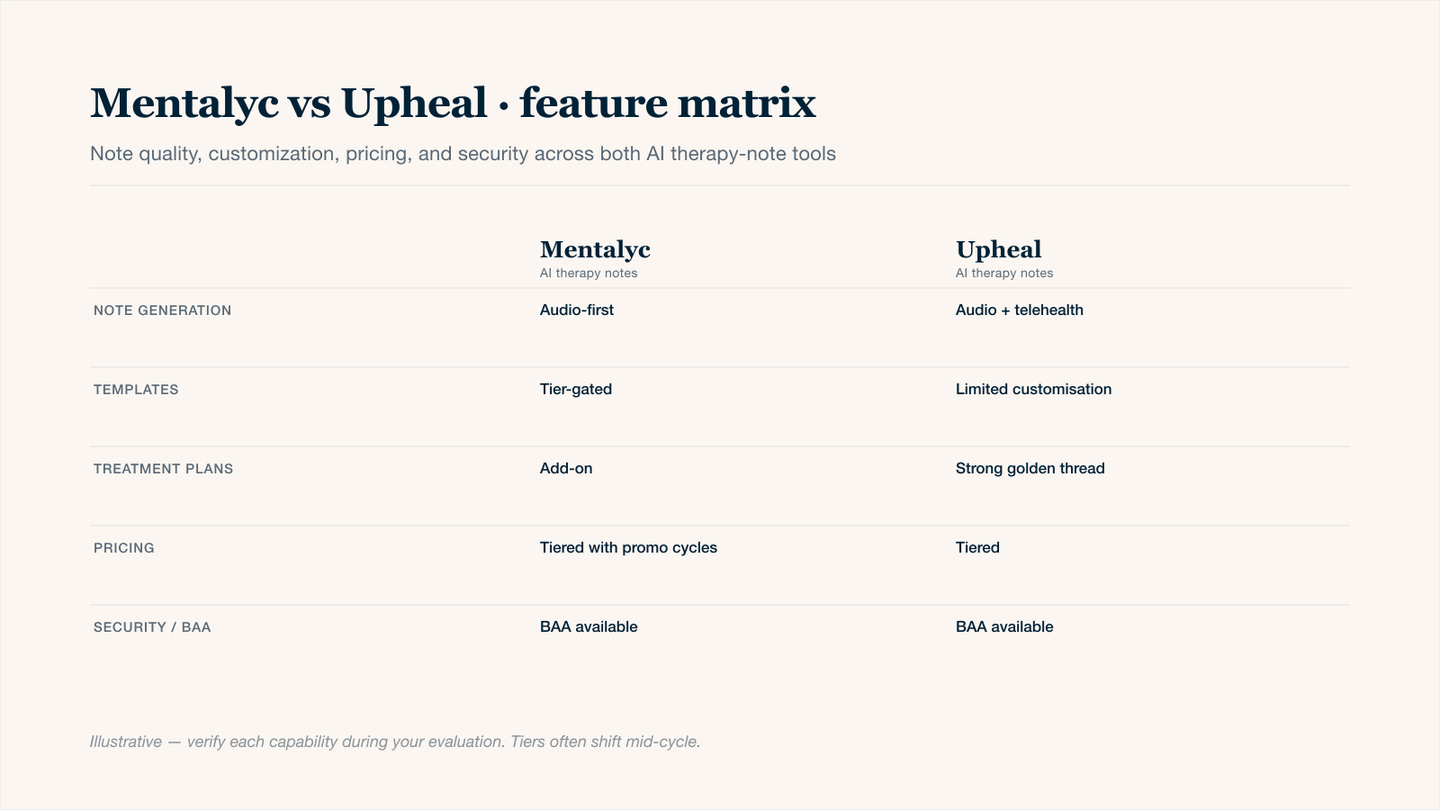
Mentalyc vs Upheal — five dimensions therapists actually weigh.
User Interface and Experience
Both Mentalyc and Upheal aim to simplify workflows and reduce administrative overhead for therapists. They cater to therapists with varying levels of tech experience, ensuring that their interfaces are accessible and user‑friendly. Mentalyc, in particular, has designed its interface to be intuitive, even for users less experienced with technology.
Upheal focuses on efficiency, with features that streamline the documentation process for therapists. Its interface is designed to facilitate quick and easy note‑taking, allowing therapists to spend more time with their clients and less on administrative tasks. The seamless integration of input methods further enhances the user experience, making it a valuable tool for busy practitioners.
Ultimately, both platforms prioritize user experience, making it easier for therapists to adopt and integrate these tools into their daily routines. Whether you choose the user‑friendly design of Mentalyc or the efficient workflow of Upheal, each offers a unique method for enhancing the documentation process.
Note Generation Capabilities
Mentalyc and Upheal each bring unique strengths to the table when it comes to note generation. Mentalyc automates note‑taking by extracting information from recorded therapy sessions, offering multiple input methods for note generation. This flexibility allows therapists to choose the method that best suits their needs, whether it’s transcription, verbal summaries, or typed summaries.
Upheal’s automated note generation primarily relies on video recordings, which can streamline the documentation process for therapists who record their sessions. However, this approach may not suit all therapists, particularly those who prefer other methods of documentation.
Mentalyc's Approach
Mentalyc’s automated note‑taking solutions can produce comprehensive session documentation swiftly. It supports multiple input methods, including transcription, verbal summaries, typed summaries, and recordings from phone and video platforms. This versatility ensures that mental health professionals can capture key insights instantaneously during therapy sessions.
Moreover, Mentalyc allows customization of templates to cater to the needs of different therapy sessions. This flexibility enables mental health providers to create detailed and personalized treatment plans, enhancing the overall quality of care provided to clients.
Upheal's Approach
Upheal’s key feature is automated progress note generation from session recordings, focusing on creating accurate, detailed notes. The integrated recording feature ensures seamless capture of session details, simplifying documentation for practitioners.
However, reliance on video recordings may not suit all therapists, especially those preferring other documentation methods. Consider whether this approach aligns with your practice’s needs before deciding.
Template Customization and Flexibility
Mentalyc offers greater template customization and flexibility than Upheal, including advanced note types for couples, families, and children, which is beneficial for behavioral health therapists working with diverse client groups.
Upheal also offers customizable templates, but Mentalyc provides more flexibility, allowing therapists to tailor documentation to their practice’s unique requirements.
Pricing and Cost-Effectiveness
Mentalyc now offers four solo pricing tiers (verified May 2026): Mini $19.99/mo (40 notes), Basic $39.99/mo (100), Pro $69.99/mo (160), Super $119.99/mo (330) — annual saves roughly $5–20/mo per tier. Mentalyc's monthly costs span $19.99 to $119.99 depending on your caseload; Upheal moved to usage‑based pricing in 2026 at $1/session capped at $69/mo per provider.
Upheal's pay‑per‑session pricing model — $1 per session capped at $69/mo per provider (May 2026) — can be predictable for moderate caseloads but adds up for high‑volume clinicians who hit the cap. Mentalyc's tiered model gives more granular volume tiers; Upheal's cap protects high‑volume users once usage exceeds ~70 sessions/mo.
Data Security and Privacy
Both Mentalyc and Upheal prioritize HIPAA compliance to ensure client data confidentiality. They require therapists to sign a Business Associate Agreement for data security, ensuring robust protection of sensitive information. However, Mentalyc emphasizes better data anonymization, using techniques that help mitigate risks associated with data breaches.
Mentalyc removes audio files post‑transcription to enhance client privacy. This practice aligns with advised data privacy measures, ensuring that sensitive information is deleted once it’s no longer necessary. Additionally, Mentalyc uses full anonymization as its approach for data security, adding an extra layer of protection.
Regular data security audits ensure ongoing health regulation compliance. Both tools use end‑to‑end encryption to protect sensitive information, and therapists should verify that third‑party service providers are HIPAA compliant.
Customer Support and Resources
Both Mentalyc and Upheal prioritize customer support to enhance user experience. They offer live chat support to assist users in real‑time. Mentalyc features a personalized contact form for handling specific user inquiries and feedback, ensuring that therapists receive the support they need.
Mentalyc also has a more extensive support library that includes video tutorials and a wide range of articles. Its knowledge base contains over 100 articles created by experienced clinicians and researchers. This wealth of resources helps therapists navigate the tools effectively, improving overall patient care and documentation practices.
Legal and Ethical Considerations
Therapists must ensure client consent and be aware of the legalities surrounding recording conversations before using AI tools. It’s crucial to make informed decisions about the use of AI in therapy, considering the ethical considerations involved. Therapists are ultimately responsible for the accuracy of finalized notes generated by AI tools.
The absence of clear regulations for AI use in healthcare raises significant legal and ethical challenges. AI systems may exhibit biases that reflect historical or social injustices present in their training data. Healthcare professionals must remain vigilant and ensure that these tools are used ethically and responsibly.
Mentalyc vs Upheal vs Twofold: Why Twofold Might Be the Better Choice for You
While both Mentalyc and Upheal offer innovative features in the realm of medical scribe technology, they may not fully meet the needs of all professionals due to performance issues, high costs, and complexity. Users have reported challenges with accuracy, user interface, and the need for extensive customization, which can hinder the seamless adoption of these platforms.
Twofold Health AI Scribe presents a compelling alternative that addresses these shortcomings. With a user‑friendly interface, reliable performance, cost‑effective solutions, advanced automation, and seamless integration with a wide range of EHR systems, Twofold emerges as a strong contender for practices seeking to enhance their documentation processes. Dedicated support ensures that any issues are resolved quickly, making Twofold a balanced medical scribe solution.
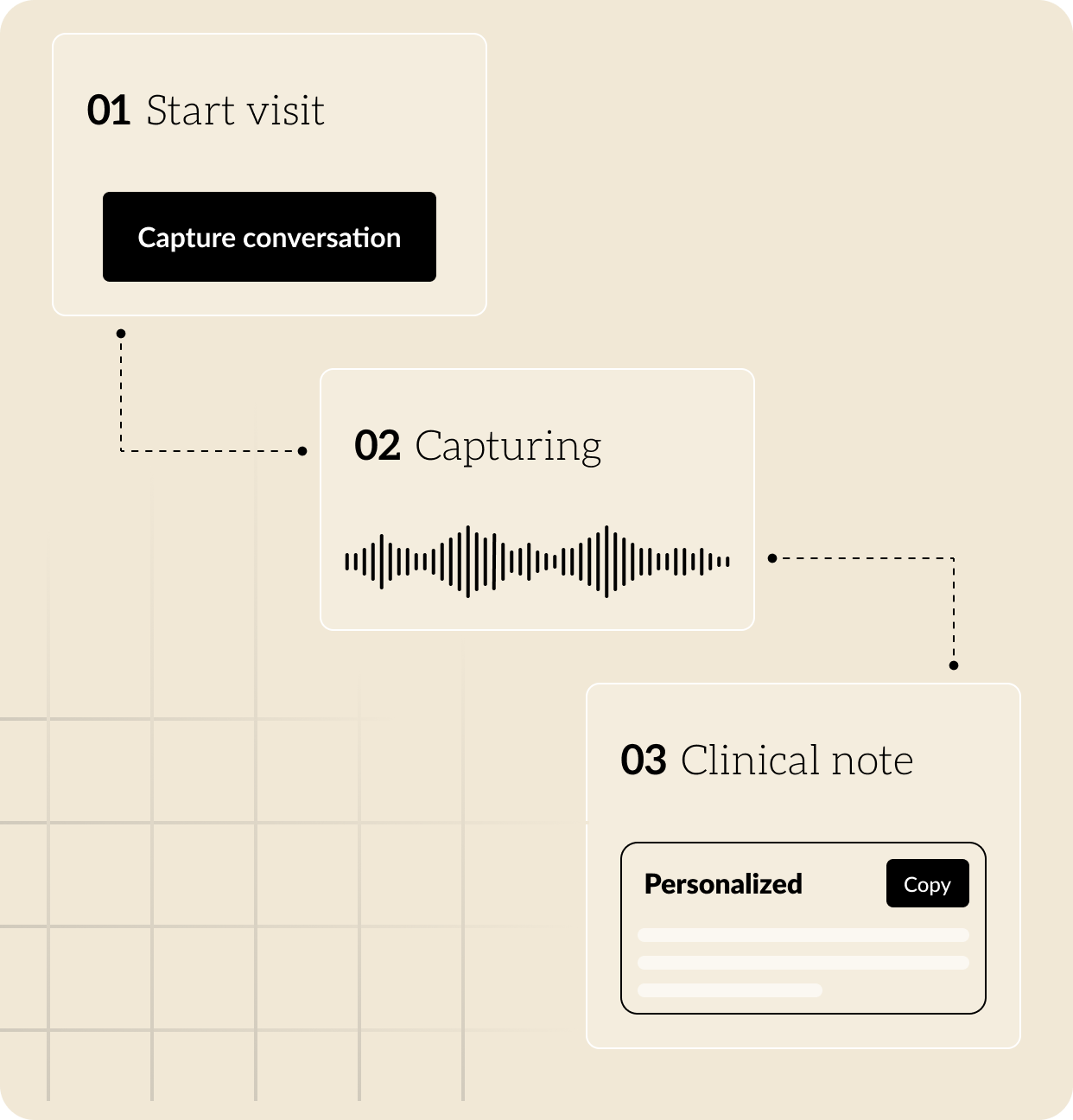
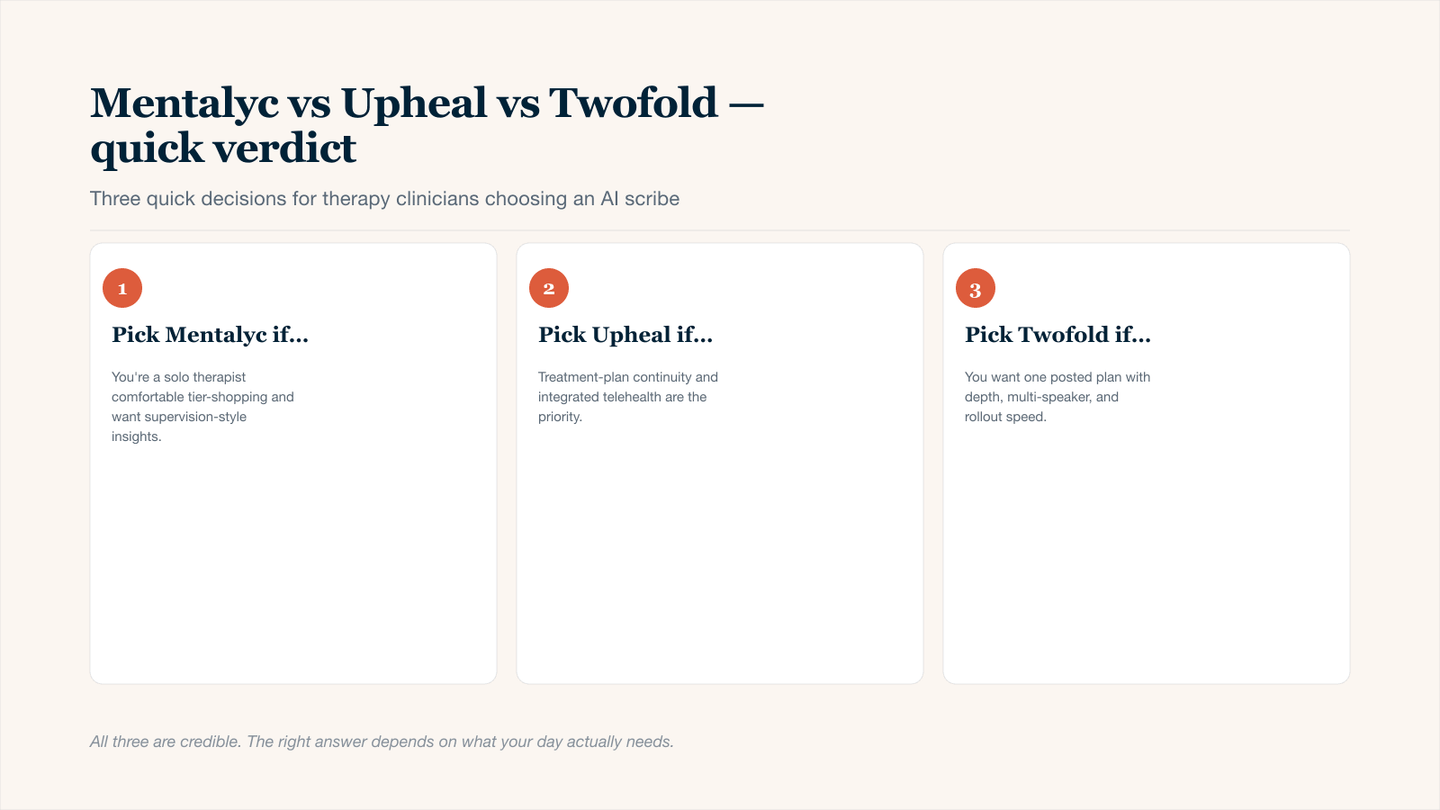
Mentalyc vs Upheal vs Twofold — three quick decisions for therapy clinicians.
Conclusion
Choosing the right AI medical scribe software is key to enhancing productivity and patient care. While Mentalyc and Upheal offer innovative features, they have limitations that may not meet all users’ expectations, such as performance inconsistencies, high pricing, and complexity.
Twofold Health AI Scribe emerges as a strong alternative, potentially offering a more reliable and cost‑effective ideal solution. By considering the specific needs of your practice and the unique features of each tool, you can make an informed choice that will enhance your documentation process and improve the overall quality of care provided to your clients.
Final Thoughts on AI Note-Taking in Therapy
Efficient note‑taking in therapy is crucial for accurate records, compliance, and quality of care. AI note automation tools can ease the burden of writing clinical notes by streamlining the documentation process and supporting various note formats. This comparison helps therapists navigate their options for improved documentation practices.
Automating progress notes can save significant time, enabling therapists to focus more on clients and less on paperwork. Effective AI tools can enhance note‑taking efficiency, ensuring compliance and audit readiness, which is crucial for maintaining high‑quality care.
AI note‑taking tools have emerged as a game‑changer in the world of therapy, significantly alleviating the documentation burden faced by therapists. The primary purpose of these tools is to automate progress notes, saving valuable time and reducing the administrative load. This is particularly beneficial in a field where compliance and accuracy are critical.
Mentalyc is highly effective for independent therapy practices, offering a comprehensive set of features at a competitive price. Upheal provides advanced session insights and extensive analytics, aiding in identifying patterns and themes in client sessions, albeit at a higher cost.
AI‑generated notes still require a therapist’s review for accuracy and compliance. Therapists must prioritize their specific needs when selecting software, ensuring the chosen tool aligns with their practice’s requirements, enhancing efficiency without compromising care quality.
Summary
In summary, Mentalyc and Upheal both offer valuable tools for therapists looking to streamline their documentation process. Mentalyc stands out for its affordability and flexibility, making it an excellent choice for independent practitioners. Upheal provides advanced session insights and extensive analytics, though at a higher cost.
For those seeking a balanced and reliable solution, Twofold Health AI Scribe offers a compelling alternative. Its user‑friendly interface, cost‑effective pricing, and seamless integration make it a strong contender for enhancing documentation processes in therapy practices. Consider your specific needs and choose the tool that best aligns with your practice’s requirements.
Note: The information provided in this article is based on data available as of May 2026. Features and pricing are subject to change. Please consult the respective company websites for the most current information.
Disclaimer: This article is for informational purposes only and does not constitute legal or medical advice. Always consult professional guidelines and regulatory bodies for specific compliance requirements. See also our Mentalyc vs Twofold.