


How this was built: We pulled claims and user sentiment from public sources—App Store/Google Play listings, vendor feature/pricing pages, G2/Trustpilot, and open blog posts (no gated forums; Reddit/help‑centers avoided unless unavoidable). Each vendor below includes verifiable citations you can check yourself. See also our best AI scribe for mental health.
Our evaluation checklist (what we looked for)
- Evidence you can verify (public listings, price pages, or third‑party reviews).
- HIPAA posture/BAA statements (where published).
- Speed + edit time for AI therapy notes (progress/SOAP/DAP).
- Workflow fit (embedded EHR vs copy‑to‑EHR).
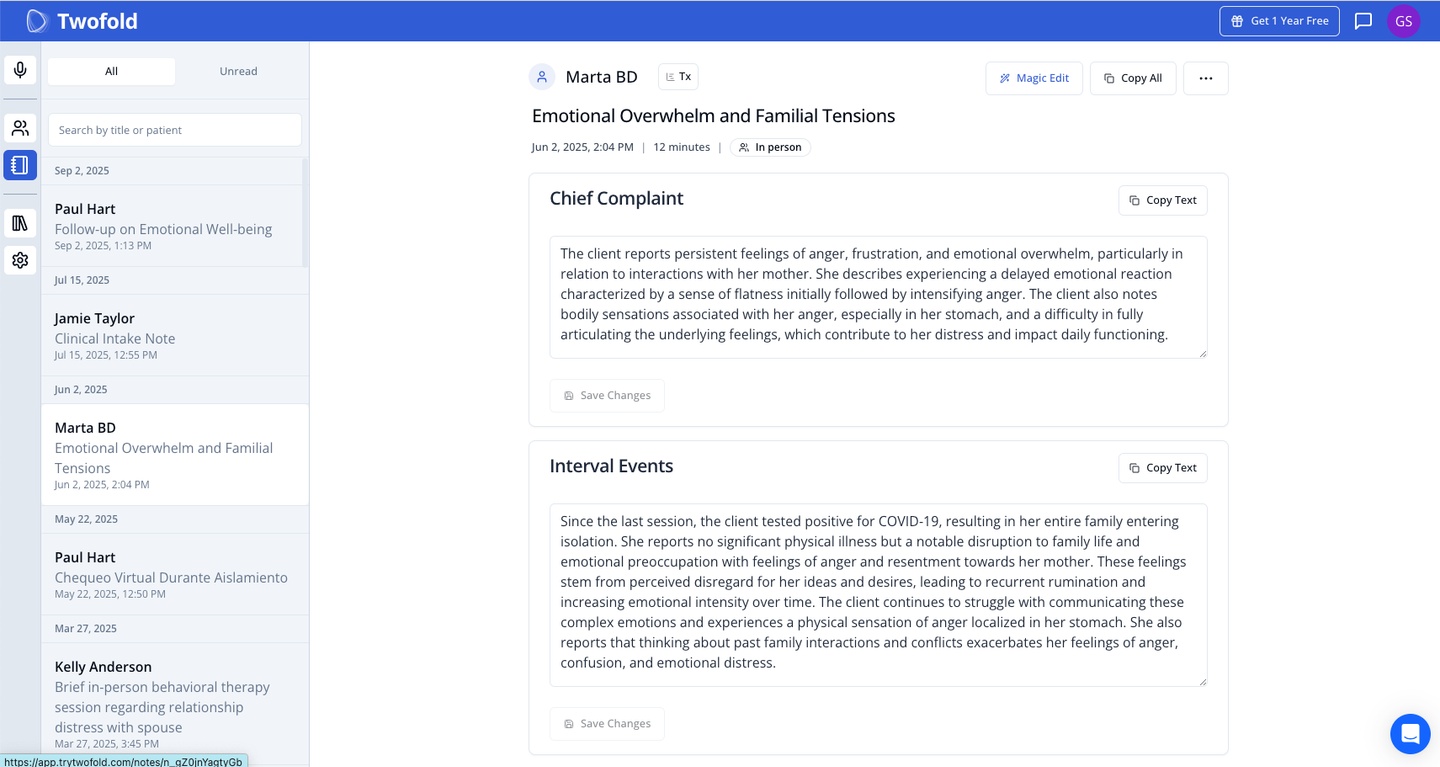
1. Twofold Health — Best overall for therapy notes
“This app has significantly reduced my documentation time while improving note quality.” — App Store review.
What it is
An AI medical scribe with behavioral‑health templates (SOAP/DAP/GIRP, treatment plans), iOS/Android/web capture, and plain‑English pricing.
Pros
- Therapy‑ready templates and treatment‑plan support out of the box.
- Self‑serve pilot - get value without sales cycles.
- Cross‑device recording (phone/desktop) for in‑person or telehealth.
- Transparent, individual pricing with a free start; no demo gate.
- Mobile + desktop capture (App Store + Google Play listings live in 2025).
- HIPAA messaging + BAA/consent language on public pages.
Cons
- No embedded option to send the note to the client via email directly within the app.
2. SimplePractice (Note Taker) — Embedded AI notes inside an all‑in‑one EHR
What it is
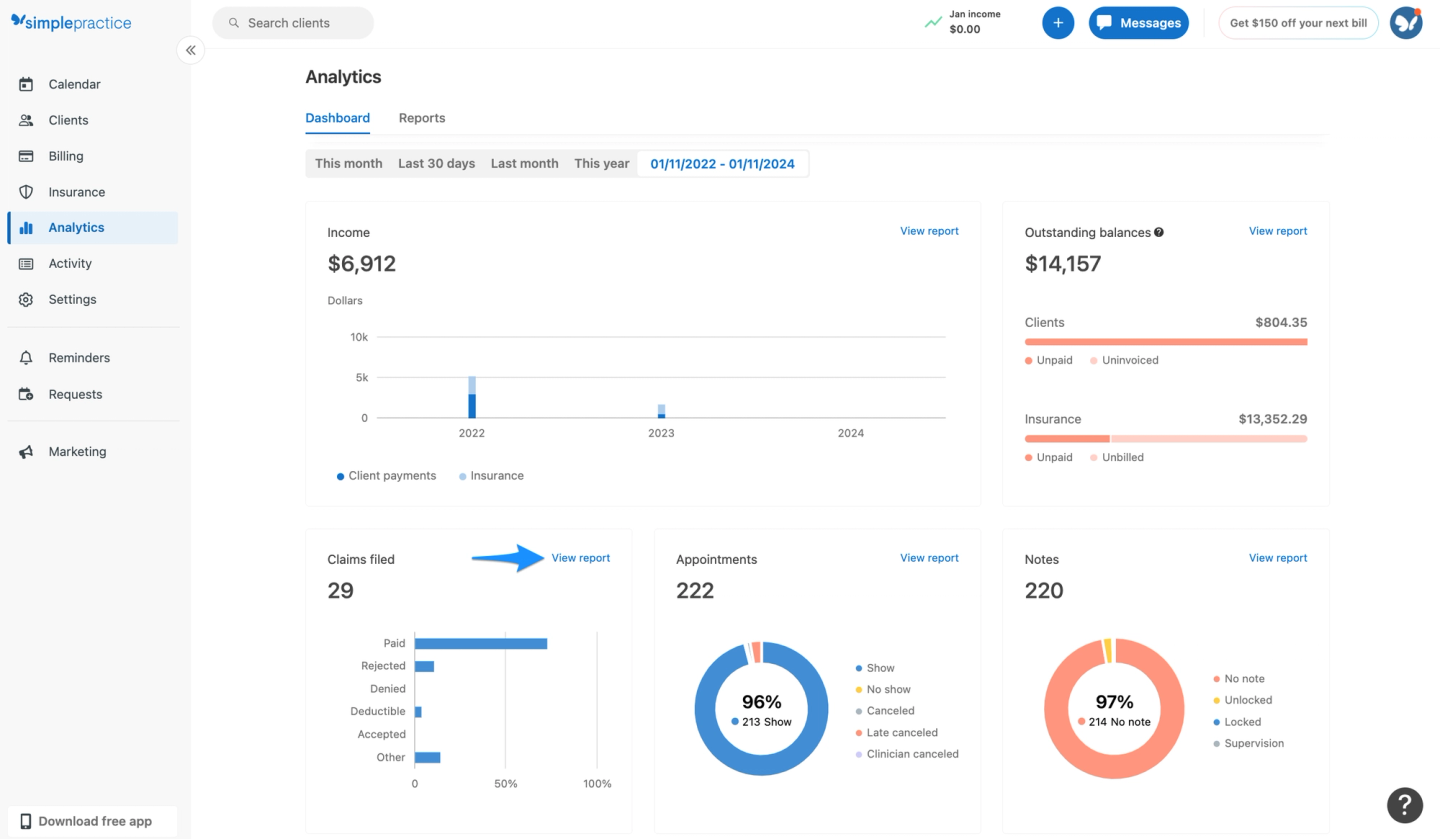
An AI Note Taker that listens, transcribes, and drafts therapy notes, plus post‑session dictation if you prefer not to record. S
Pros
- Native to SimplePractice—no copy/paste; smooth for clinics already on SP.
Cons
- Limited portability: only available if you use the SimplePractice EHR.
- Recording‑based workflow may not fit every practice culture; SP notes that recordings are deleted after transcript creation (transcript persists).
- Feature set is new and evolving (SP’s own content frames Note Taker as the first integrated AI tool).
3. TherapyNotes (TherapyFuel) — AI features rolling out within a popular MH EHR
What it is
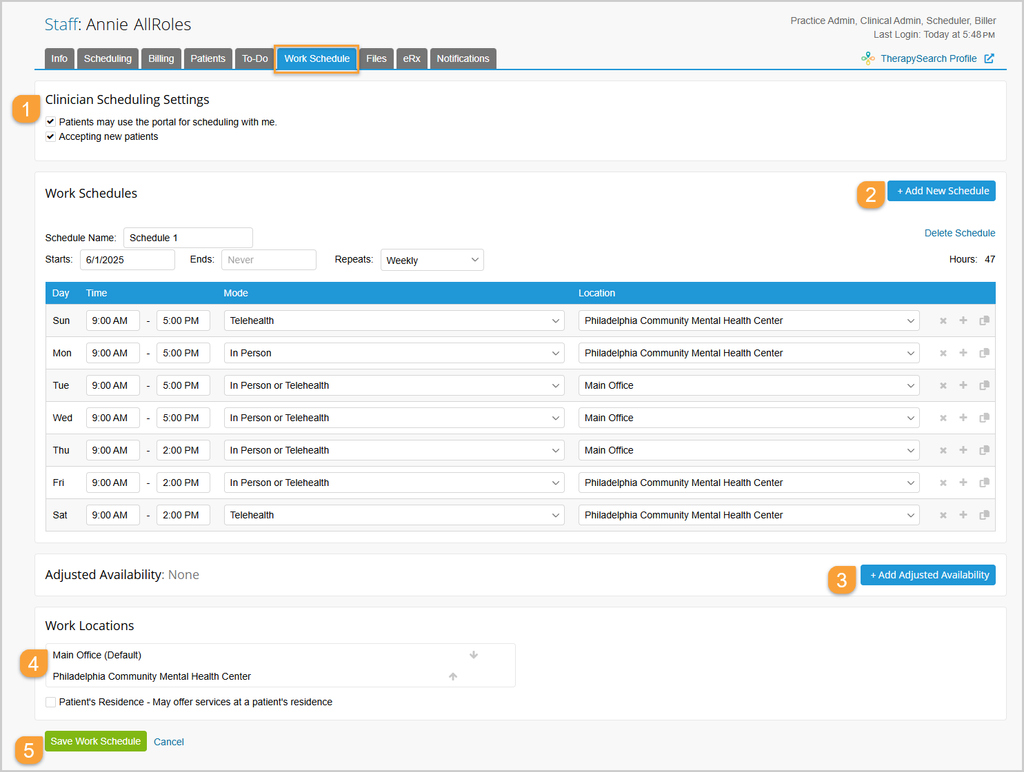
TherapyFuel™ is TherapyNotes’ AI suite; posts announce summarization and a coming TherapyFuel Scribe (ambient notes) for in‑person/telehealth.
Pros
- EHR‑native: single vendor for scheduling, billing, notes, and AI.
- Personalization controls for AI note tone/length (per TN announcements).
Cons
- Scribe functionality is still in beta/rolling release (not universally available).
- Locked to TherapyNotes—not a portable AI scribe.
- Independent reviews emphasize EHR strengths, but AI details are new; expect iteration.
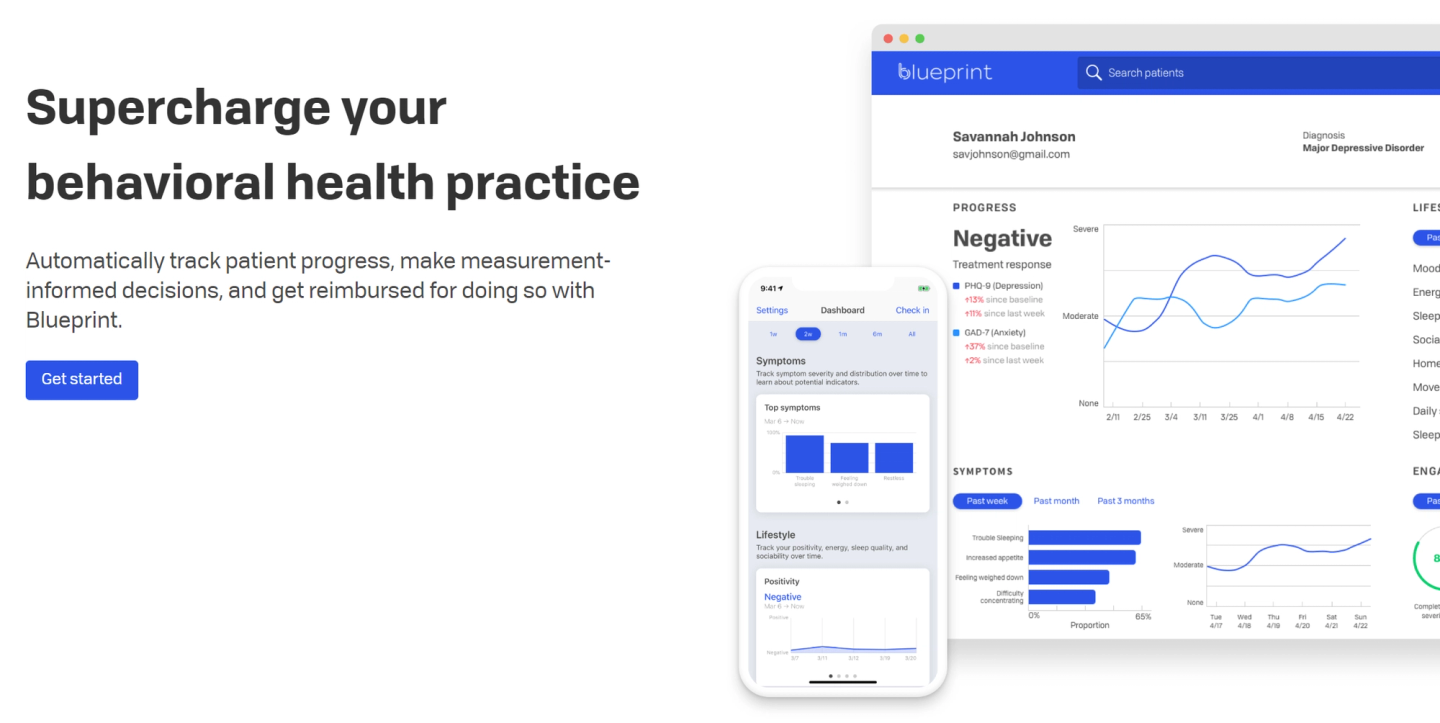
4. Blueprint — AI notes + treatment plans with per‑session pricing
What it is
Markets an AI assistant for therapists that “automates progress notes” and drafts smart treatment plans; priced per session.
Pros
- “<30 seconds” draft claims for notes/plans.
Cons
- Variable monthly cost—per‑session charges can outpace flat subscriptions as caseload rises.
- EHR integration depth varies by stack (marketing highlights capability; verify for your EHR).
- Demo/“schedule a call” posture for fuller capabilities may slow trials.
5. Autonotes — prompt‑based AI notes for therapists
What it is
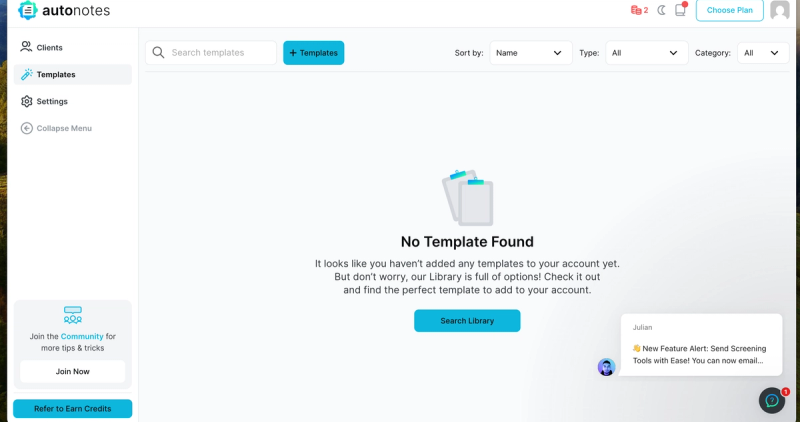
Therapy‑focused AI that generates SOAP/DAP/BIRP notes from short prompts; publishes pricing and template examples.
Pros
- Template library for common note formats.
Cons
- Quality depends on prompt clarity (common with prompt‑first tools). (Supported by user reviews noting variability.)
- No full‑session ambient recorder—best for dictation/summary workflows.
- Marketing includes many testimonials; independent review volume is modest versus large EHRs.
6. TheraPro (TheraPro AI) — minimalist, copy‑to‑EHR AI note generator
What it is
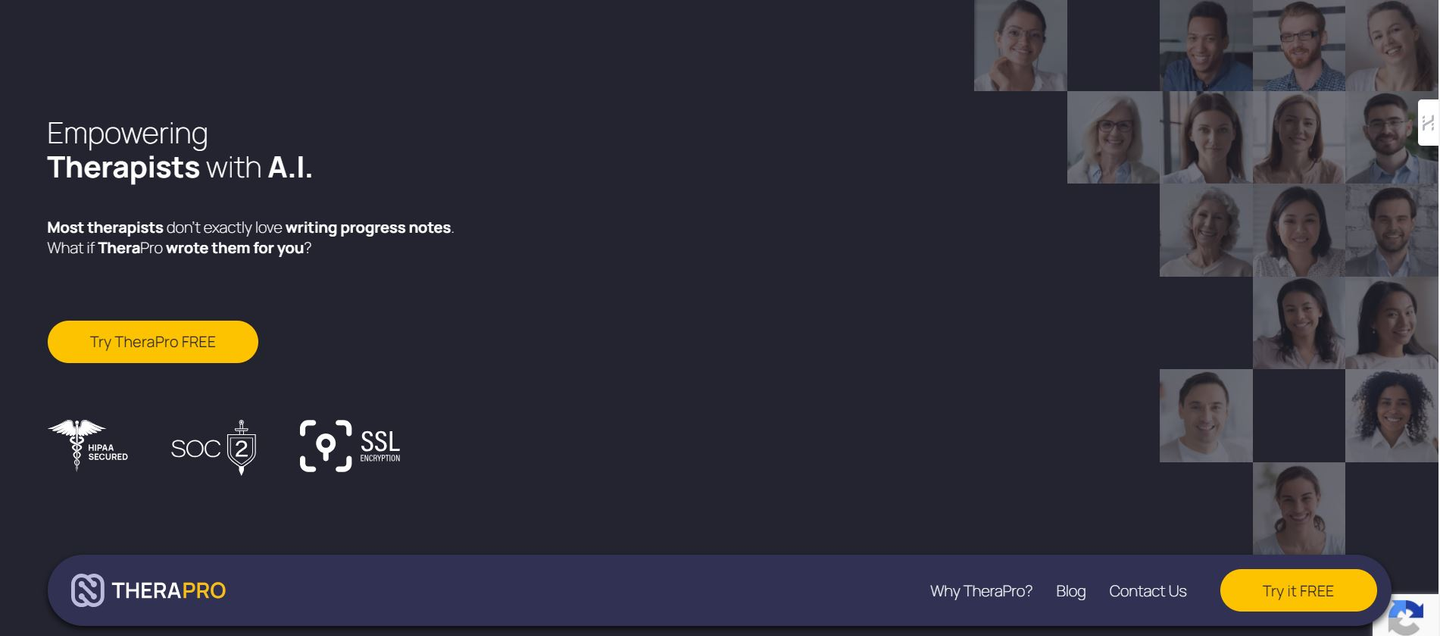
Positions itself as HIPAA‑compatible AI that summarizes sessions into progress notes you copy/paste into any EHR.
Pros
- Very simple: start fast, export by copy/paste.
Cons
- Copy‑to‑EHR only (no write‑back/integration).
- Sparse third‑party reviews (e.g., 1 Trustpilot review).
- Privacy policy allows retention “as long as necessary”—review carefully for your risk posture.
7. ScholarAI — research assistant, not a therapy‑notes tool
What it is
A research/GPT companion (papers, protocols, IRB/clinical‑trial workflows) with HIPAA‑aligned language for the research context—not for drafting therapy progress notes.
Pros
- Strong literature search/summarization features; API access.
- HIPAA‑aligned messaging for CRO/pharma use cases.
Cons
- Not purpose‑built for therapy notes; no therapy‑note templates/claims.
- Positioned for research operations (site activation, IRB)—a different workflow than psychotherapy documentation.
- No public proof of EHR workflows for mental‑health notes.
Comparison snapshot
Tool | Any EHR | Trial | Pricing | Formats | Ambient | Mobile |
|---|---|---|---|---|---|---|
Twofold Health | ||||||
SimplePractice (Note Taker) | ||||||
TherapyNotes (TherapyFuel) | ||||||
Blueprint | ||||||
Autonotes | ||||||
TheraPro | ||||||
ScholarAI |
Last verified January 2026
Conclusion: The Best AI for Therapy Notes (2026)
AI is now essential for keeping care high‑quality and paperwork low. In 2026, Twofold Health is our #1 pick for the best AI for therapy notes, offering:
- Context-aware documentation with flexible capture (ambient, dictation, typed).
- Built-in assistant to refine drafts, surface key details, and speed charting.
- EHR-friendly outputs with file uploads, custom templates, and mobile + web access.
- HIPAA-compliant safeguards with a BAA and granular security controls.
- Transparent, affordable pricing with clear plans and no hidden fees.
Whether you’re solo, in a health system, or running a busy clinic, Twofold delivers top value, reliability, and clinician satisfaction ‑ our recommended choice for US clinicians in 2026.
Another great comparison can be found in this link.
Last reviewed: May 2026 — pricing tiers, plan availability, and vendor positioning in this guide were re-checked for currency. Confirm specifics with each vendor before purchasing.