


Keeping track of blood pressure can be a challenge for both patients and healthcare providers. Whether you're managing your own health or supporting others, you know how essential it is to record accurate measurements consistently. This article will walk you through the nuances of using a Blood Pressure Log Template to make your logging process efficient and effective.
What Is a Blood Pressure Log Template?
A Blood Pressure Log Template is a structured document designed to systematically record blood pressure readings over time. This tool helps manage and monitor the cardiovascular health of patients by organizing data succinctly.
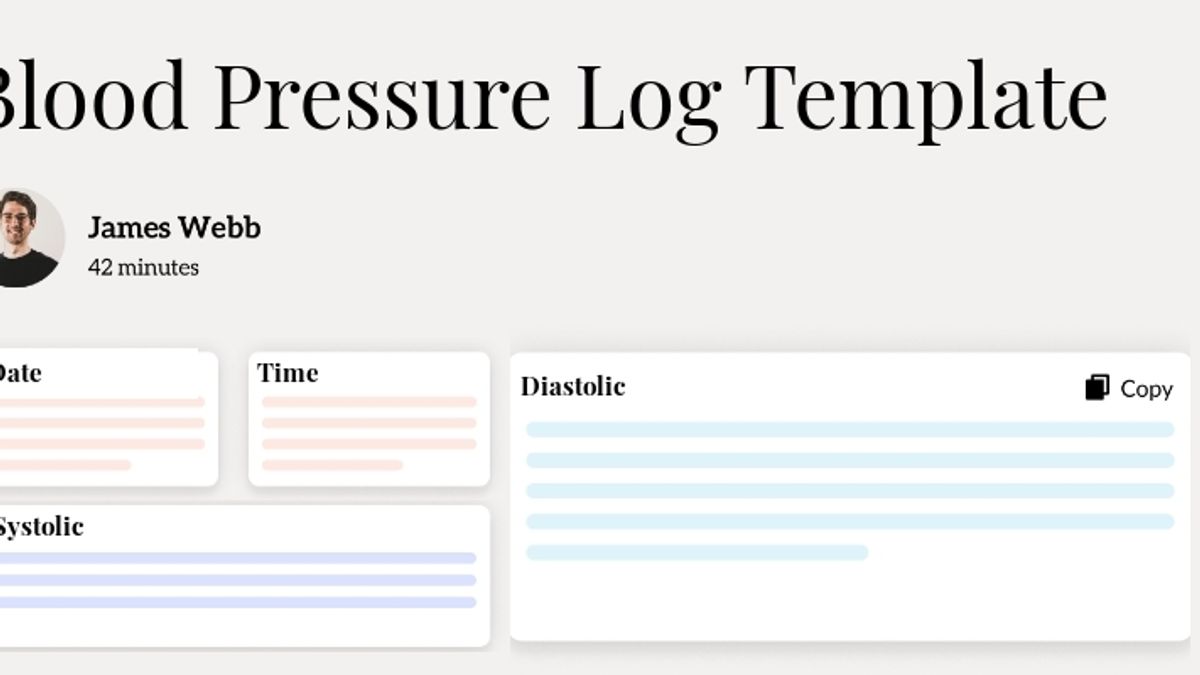
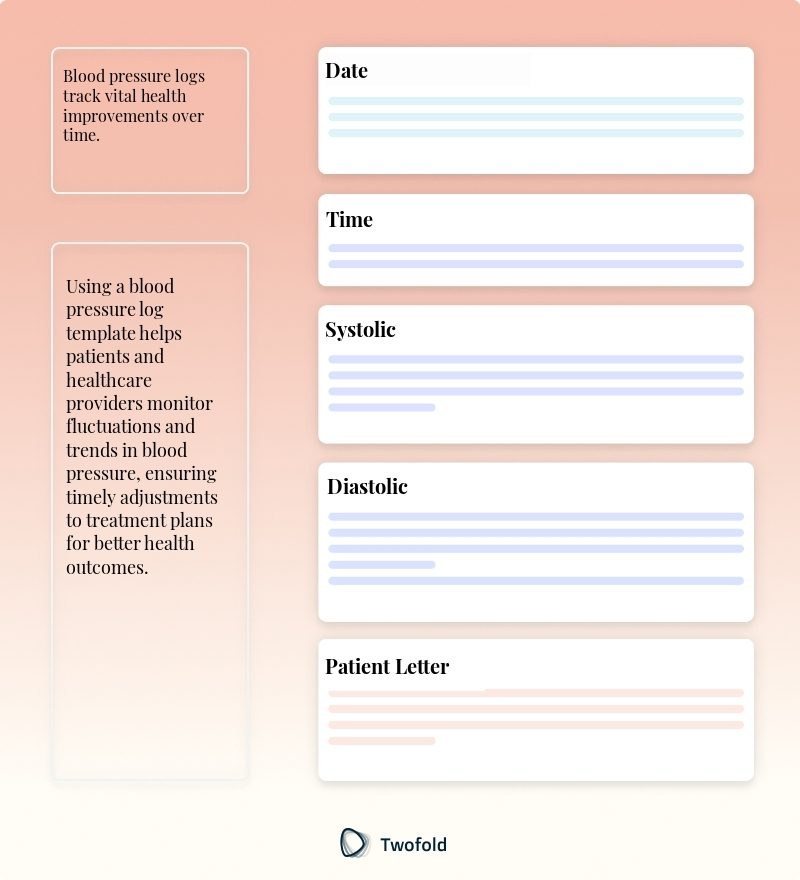
Typically, the template will feature fields for systolic and diastolic blood pressure, date and time of reading, and occasionally pulse rate. This standardized approach aids in healthcare management and allows for consistent tracking of patient progress.
Key Components of a Blood Pressure Log?
A well‑structured Blood Pressure Log Template contains several core elements:
- Date and Time: Tracks when the reading was taken.
- Systolic Reading: The top number indicating heart pressure during beats.
- Diastolic Reading: The bottom number showing pressure between beats.
- Pulse Rate: Often included to offer additional cardiovascular insight.
- Comments Section: For notes about conditions impacting the reading.
How to Use a Blood Pressure Log Template: Step-by-Step Process
Step 1: Download the Template
Begin by selecting and downloading a template that suits your needs. Ensure it accommodates the frequency of your required logging.
Step 2: Set Up the Log
Fill in the standard patient details such as name, age, and the specific healthcare professional overseeing the tracking.
Step 3: Record Each Reading
Measure and record the systolic and diastolic pressures at the agreed times. Use consistent positioning and equipment for accurate results.
Step 4: Review and Interpret Data
Regularly analyze the recorded data to assess trends. Discuss findings with your healthcare provider for medical advice if necessary.
Benefits of a Blood Pressure Log
Benefit | Description |
|---|---|
Consistency | Ensures regular monitoring, helping identify health issues early. |
Patient Engagement | Empowers patients to be involved in their health management. |
Data Accuracy | Facilitates precise records, critical for medical assessments. |
Improved Communication | Enhances physician-patient discussions through detailed logs. |
Stakeholders in Blood Pressure Log
Various stakeholders benefit from maintaining accurate blood pressure logs:
- Patients: John, a hypertensive patient, uses his log to track pressures after medication adjustment and observes improvements.
- Healthcare Providers: Dr. Smith relies on logs to modify treatment plans efficiently during consultations.
- Researchers: Emily, a researcher, collects anonymized log data for a study on lifestyle impacts on blood pressure.
- Family Members: Sarah makes informed decisions by monitoring her elderly father's daily readings.
Example of a Blood Pressure Log Template
A Blood Pressure Log Template may include columns for date, time, systolic, diastolic, pulse, and a remarks section. A well‑organized layout supports quick entries and clear visibility of trends.