


If you're searching for the best AI for supervision notes, the most important thing to know is this: most AI note tools are built for therapists writing progress notes, not for supervisors reviewing trainee documentation, tracking feedback, co‑signing notes, and maintaining a defensible supervision workflow.
That distinction matters.
Under HIPAA, psychotherapy notes receive special protection because they are the personal notes of the treating therapist and are treated differently from the rest of the clinical record. Supervision documentation, progress notes, approvals, and training records are a different operational category entirely. At the same time, many boards and training settings require documented supervision hours, clear oversight, and consistent records of review.
So when evaluating an AI tool for supervision notes, the right question is not just, "Can it write a note?" The better question is:
Can it support supervision as a workflow? See also our AI scribe for interns and trainees.
That means the best platform should help you:
- create or assist with documentation,
- review trainee notes quickly,
- standardize note structure across supervisees,
- track revisions or feedback,
- support approvals or co-signatures,
- and reduce compliance risk.
The best AI tools for supervision notes
1. Twofold
Best overall AI for supervision notes
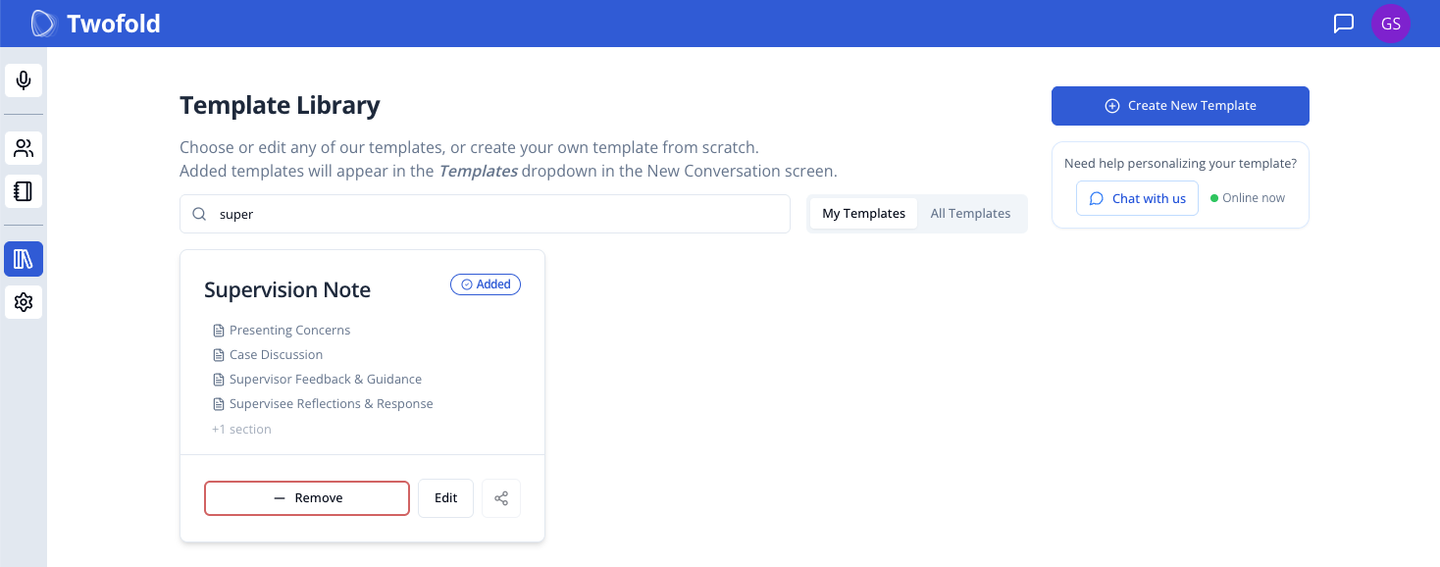
Twofold is the strongest overall choice for supervision notes because it goes beyond basic AI note generation and better matches the real workflow supervisors deal with every day: reviewing trainee documentation, improving note consistency across a practice, giving feedback, and keeping supervision‑related processes organized.
That matters because supervisors usually are not just trying to save a few minutes on note writing. They are trying to reduce inconsistency, spot issues earlier, support supervisees more efficiently, and maintain documentation standards without creating bottlenecks. Twofold is one of the clearest fits for that use case.
It is also a strong choice for practices that want a modern, AI‑first workflow without the complexity or overhead of a larger enterprise platform. For supervisors in private practice, group practices, and outpatient behavioral health settings, it offers the most balanced combination of documentation support, supervision relevance, and operational simplicity.
Best for: private practice supervisors, group practice owners, and clinical leads who want a more scalable supervision workflow.
2. TherapyNotes + TherapyFuel
Best if your practice already uses TherapyNotes
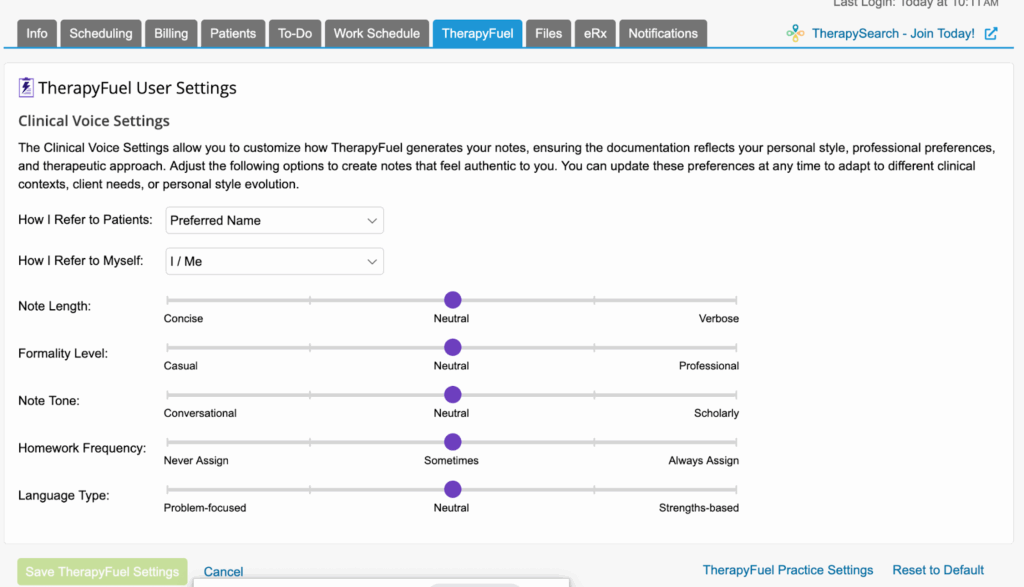
TherapyNotes is a practical option for practices that already run their operations inside TherapyNotes and want supervision review to stay embedded in the same environment. The main advantage here is convenience. If your team already uses TherapyNotes, adding AI support through TherapyFuel may feel operationally easier than introducing a separate workflow.
That said, this is usually the best fit when existing EHR alignment is the top priority, not necessarily when supervision documentation itself is the main problem you are trying to solve.
Best for: existing TherapyNotes users who want to keep everything in one system.
3. Blueprint
Best for practices that care about outcomes tracking
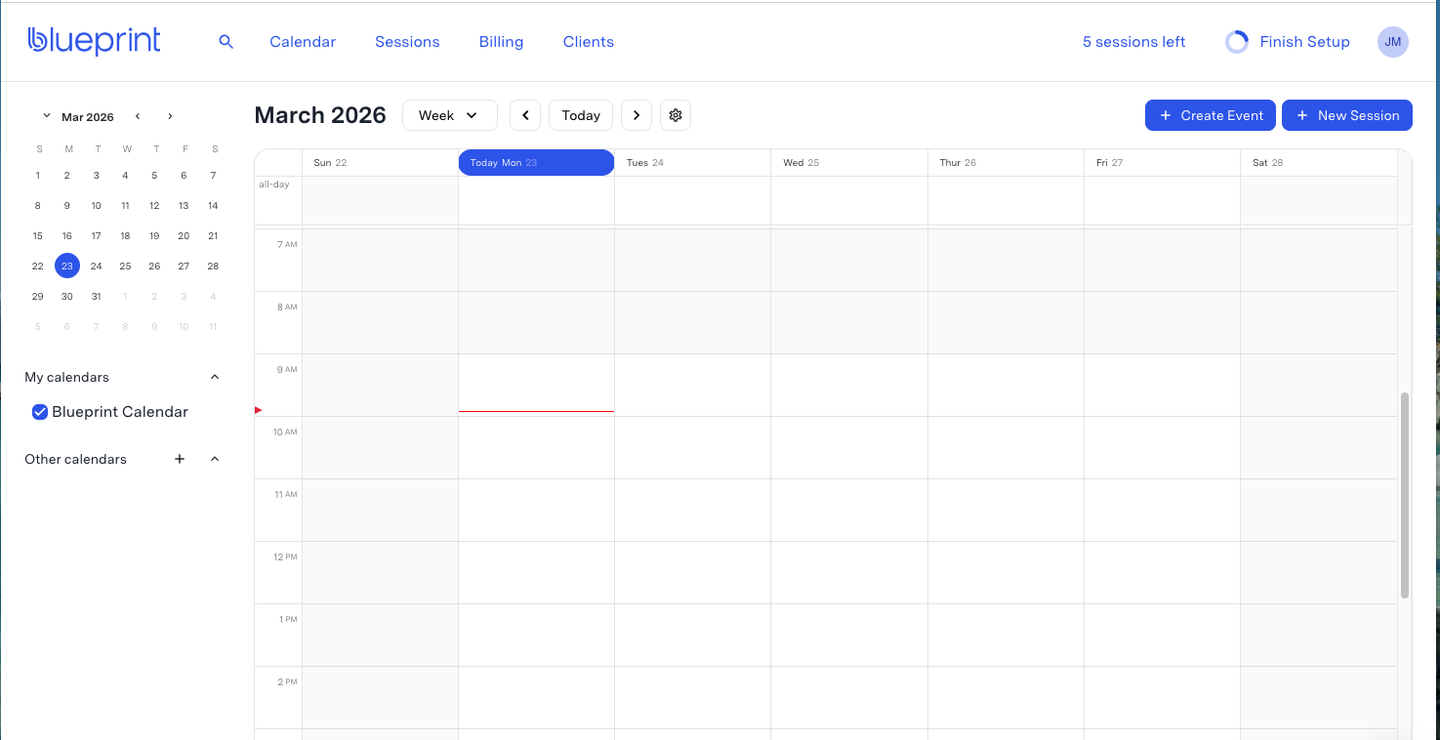
Blueprint is worth considering for practices that want documentation tied more closely to measurement‑based care and treatment progress. Its angle is broader than supervision notes alone, which may appeal to supervisors who spend a lot of time helping clinicians connect documentation with client outcomes.
Still, if your primary need is a stronger supervision‑note workflow, it is generally more of a secondary option than a direct first choice.
Best for: practices that want notes plus outcomes visibility.
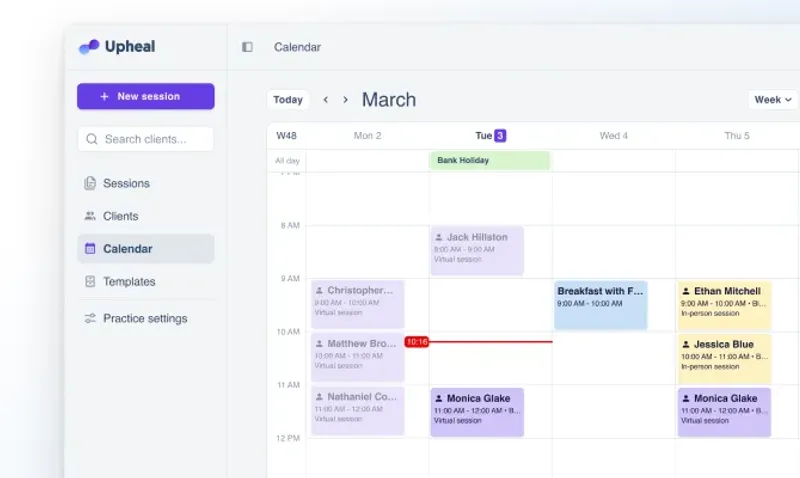
4. Upheal
Best for smaller practices that want a lighter-weight tool
Upheal is a reasonable option for clinicians who mainly want AI help with therapy documentation and prefer a lower‑cost entry point. It can work well for lighter supervision needs, especially in smaller practices where formal review workflows are less complex.
But for supervisors specifically, it feels more like a therapist documentation tool that can be adapted to supervision than a platform that is clearly built around supervision itself.
Best for: smaller teams with lighter documentation needs.
5. AutoNotes
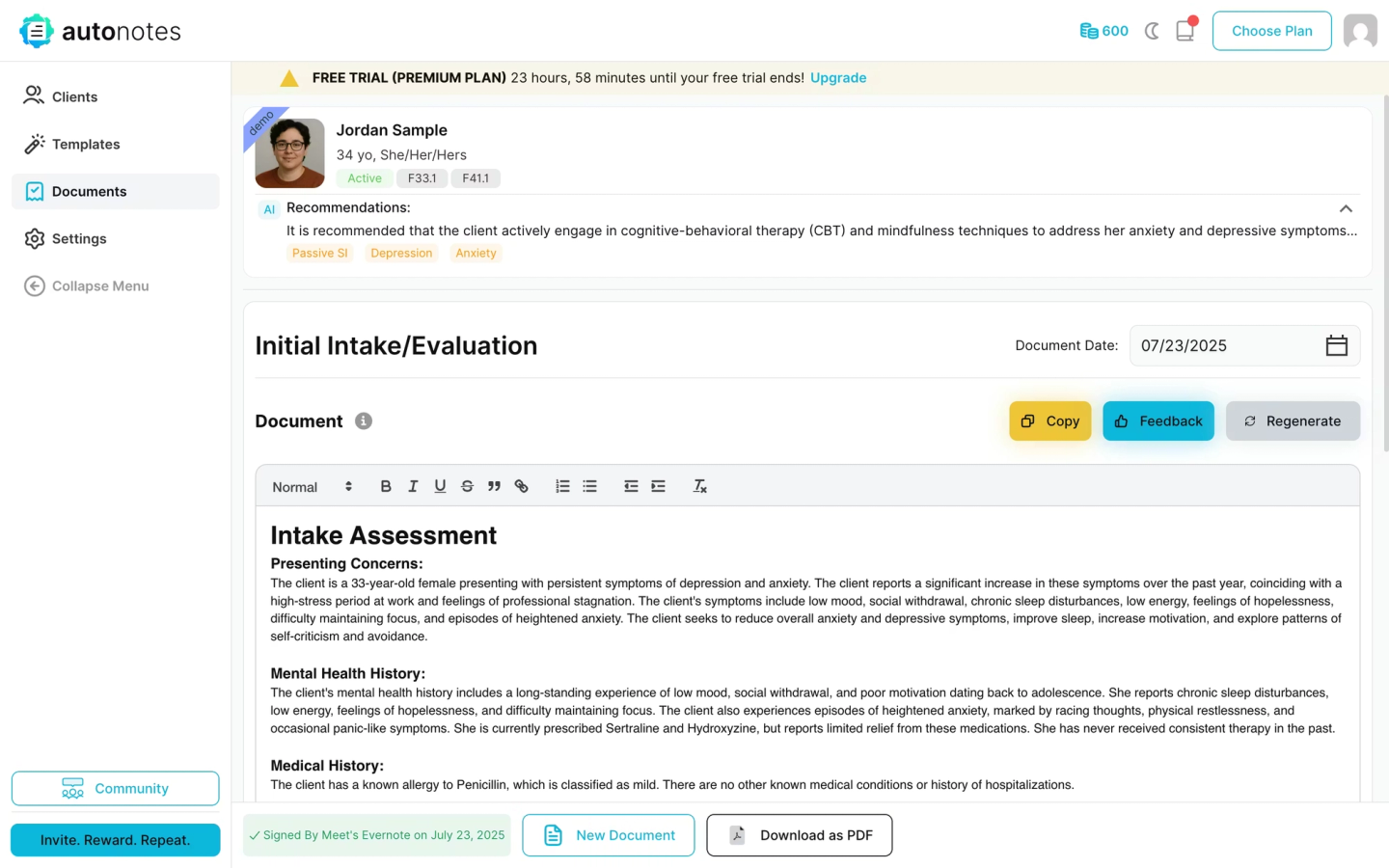
Best for simple documentation support
AutoNotes is best viewed as a straightforward documentation assistant. It can help clinicians create notes faster, which may indirectly reduce some supervision friction, but it is not the strongest fit for supervisor review, tracked feedback, or a more structured supervision process.
For that reason, it makes more sense as a general note‑writing tool than as a top pick for supervisors.
Best for: practices that mainly want a simple AI note generator.
Final ranking
For supervisors and group practices specifically, this is the ranking that makes the most sense:
- Twofold for the best overall supervision-note workflow
- TherapyNotes + TherapyFuel for practices already operating in TherapyNotes
- Blueprint for teams that care more about outcomes tracking
- Upheal for lighter-weight therapist documentation support
- AutoNotes for simple AI note generation
What supervisors should look for in an AI note-taking tool
If you are a supervisor, clinical director, or owner of a group practice, the best AI for supervision notes should have these six capabilities.
1. Supervision-specific workflows
The tool should help with trainee review, supervisor comments, tracked revisions, approvals, or co‑signing. This is where many generic AI note tools fall short. Twofold and TherapyNotes are especially relevant here, while Eleos is strong at the organizational oversight level.
2. Consistent note structure
Supervisors often spend more time correcting formatting and missing sections than discussing actual clinical reasoning. Shared templates and standardized note formats reduce that drag. Twofold, Upheal, AutoNotes, and TherapyFuel all emphasize templating or structured note generation.
3. Privacy and BAA clarity
Because supervision involves protected health information, the vendor's privacy posture matters. Twofold states it signs a BAA automatically and deletes recordings after processing. Upheal publicly states HIPAA compliance. TherapyNotes provides a customizable AI consent form for its AI features.
4. Audit and compliance visibility
For larger teams, being able to review documentation quality systematically matters more than generating notes faster. Eleos stands out here because it says it can scan 100% of staff notes with its Compliance product.
5. EHR and operational fit
Some supervisors want a standalone AI note tool. Others want the AI embedded in the EHR where approvals, billing, and records already live. TherapyNotes and Blueprint are strongest if you want that tighter all‑in‑one workflow.
6. Support for real supervision, not just session summaries
The best supervision note tool should help document case presentation, guidance, competency development, next actions, and follow‑up responsibilities, not only client‑session content. Upheal's public roadmap language is notable here because it explicitly mentions case presentations, clinical feedback, and competency tracking for supervision sessions.
Why Twofold stands out for supervision notes
The reason Twofold ranks first is simple: supervisors do not just need faster note writing. They need a tool that helps them create more consistency across supervisees, reduce review friction, support feedback loops, and keep documentation standards high without adding administrative drag.
Many AI note tools can help generate a note. Fewer feel truly aligned with the day‑to‑day needs of supervision. That is where Twofold stands out.
Last reviewed: May 2026 — pricing tiers, plan availability, and vendor positioning in this guide were re-checked for currency. Confirm specifics with each vendor before purchasing.