


Tired of spending hours typing patient notes? The future is here—2026 offers advanced medical dictation software solutions to streamline your clinical documentation, boost productivity, and enhance patient care. Over the years, working as a Pediatrician in several hospitals, I spent hours on endless paperwork instead of focusing on what matters most—quality patient care. Whether you’re a mental health therapist, manage a medical practice, or lead a healthcare team, discover the top dictation software tools tailored for your needs. See also our AI dictation for therapists.
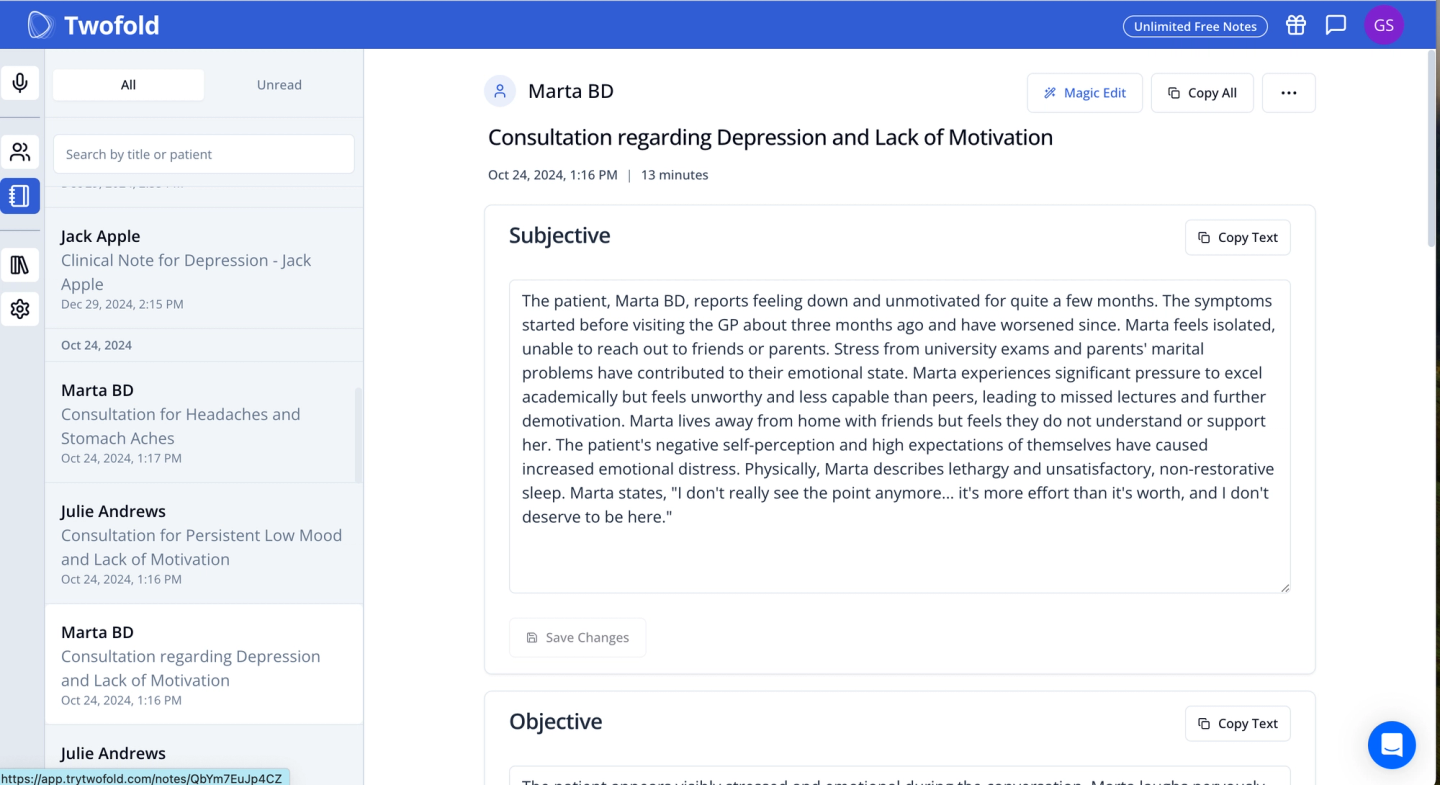
1. Twofold Health AI Scribe – Best Overall
Why we think you will love it:
- Specifically optimized for different specialities and professionals.
- HIPAA-compliant AI-powered SaaS platform for effortless documentation and onboarding.
- Drastically reduces clinical documentation time.
Key Features
- 99% transcription accuracy with minimal need for manual correction
- AI-driven CPT/ICD-10 coding suggestions
- Specialty-based note templates
- Option to create your own templates
- Automated patient progress tracking capabilities
- Multi-language support: 25+ languages, including English, French, and Spanish
- HIPAA-compliant with enterprise-grade security
- Built-in analytics and reporting features
Pricing
- Free plan with 20 notes/month.
- $49/month unlimited access and usage.
- Group plans with volume discounts and premium offerings.
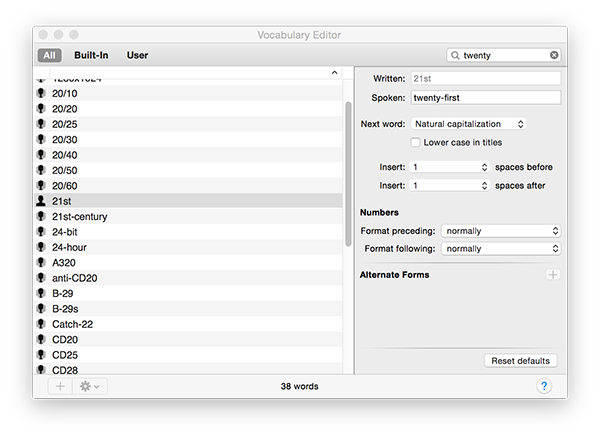
2. Nuance Dragon Medical One – Best Dictation Software for Hospitals and Large Clinics
Highlights:
- Leading-edge speech recognition.
- Specialized medical vocabulary.
- Enterprise-level data security.
Standout Features:
- Real-time, accurate transcription.
- Customizable medical terminology library.
- Deep integrations with enterprise EHRs.
Ideal for: Hospitals and larger healthcare organizations.
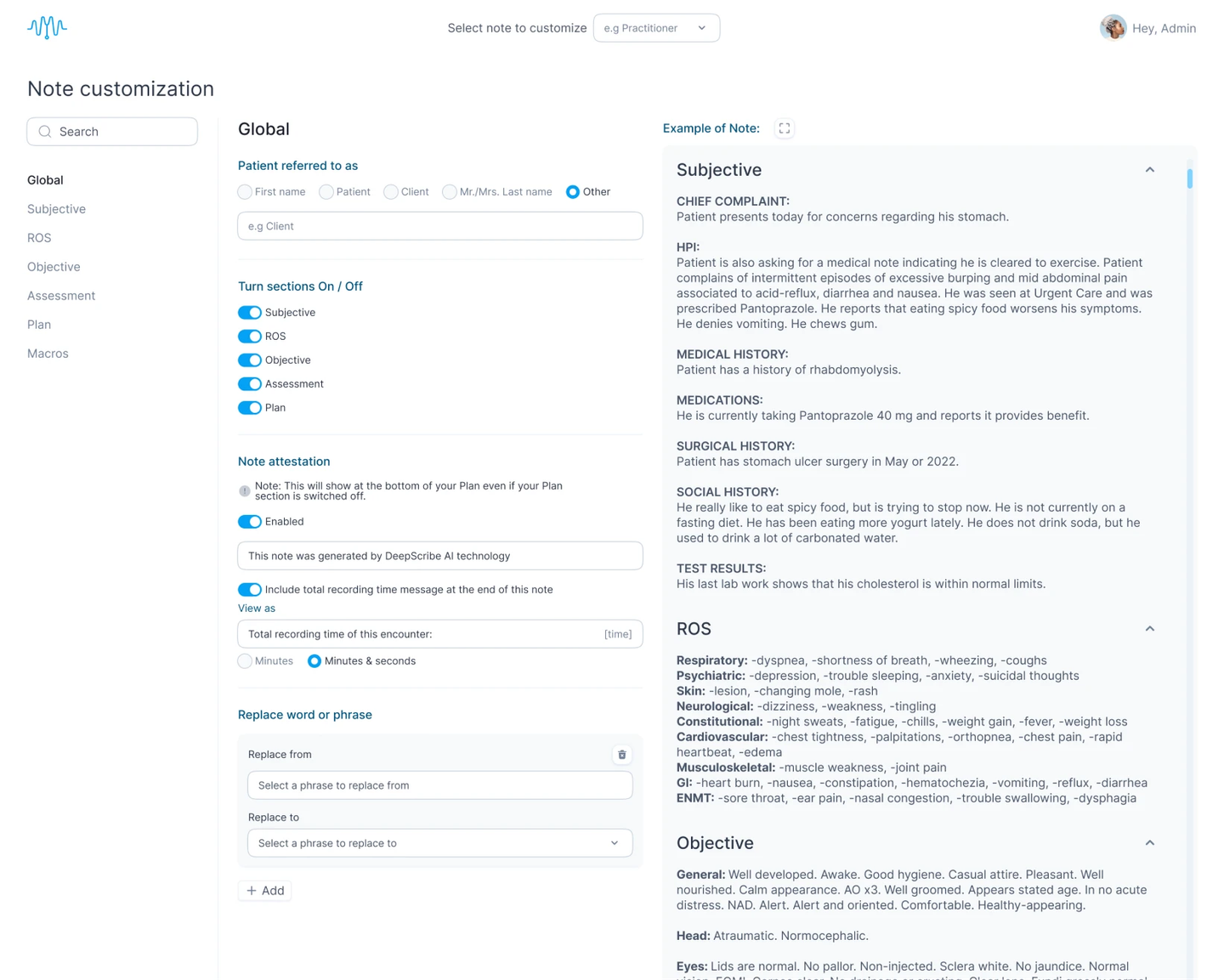
3. DeepScribe – Most Natural Medical Dictation Software
Benefits:
- Captures conversational context effortlessly.
- Automatically summarizes and updates patient records.
- Reduces clinician burnout significantly.
Top Features:
- Conversational voice-to-text technology.
- Minimal post-editing required.
- Ideal for primary care documentation.
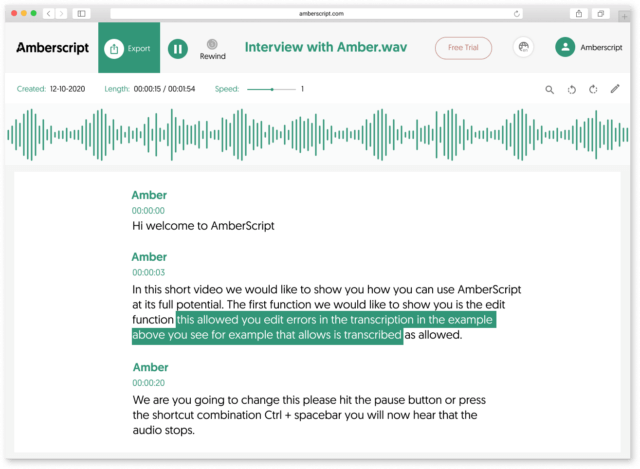
4. Amberscript – Best Multilingual Medical Transcription
Advantages:
- Supports transcription in 40+ languages.
- AI-driven multilingual accuracy.
- Compliant with global healthcare standards.
Features Worth Noting:
- Intuitive user dashboard.
- Rapid transcription turnaround.
- High accuracy rates for diverse languages.
Ideal for: International or multilingual medical practices.
5. Saykara by Amazon – Best Hands-free Medical Dictation Software
Strengths:
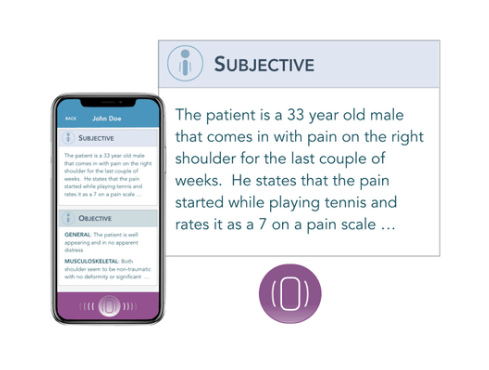
- Fully hands-free, ambient AI assistant.
- Real-time, passive clinical note capture.
- AWS-powered security and compliance.
Unique Selling Points:
- Ambient AI listens and transcribes passively.
- Tight integration with Amazon’s robust AWS infrastructure.
Recommended for: Providers who prefer a hands‑free, passive documentation workflow.
Software | Best For | Key Feature | Integration | Specialty Coverage |
|---|---|---|---|---|
Twofold Health | Small-Mid Size Practices | AI-generated notes , treatment plans, and progress tracking | Major EHRs | Broad; primary care, mental health, general outpatient |
Nuance Dragon Medical | Hospitals & large clinics | Real-time customizable transcription | Enterprise EHRs | Broad multi-specialty |
DeepScribe | Primary care & conversational use | Natural conversational transcription | Major EHRs | Complex specialty (oncology, cardiology etc.) |
Amberscript | Multilingual healthcare providers | 40+ languages transcription | Flexible EHRs | General multi-lingualtranscription |
Saykara by Amazon | Hands-free documentation | Ambient, passive AI transcription | AWS Ecosystem | General outpatient and primary care |
Last verified January 2026
Final Thoughts
Medical dictation software in 2026 is smarter, faster, and tailored specifically to clinical workflows. Twofold Health AI Scribe is our top recommendation, especially for mental health providers and small clinics, offering precision, user‑friendly features, and specialized solutions to help healthcare professionals reclaim valuable patient‑focused time.