


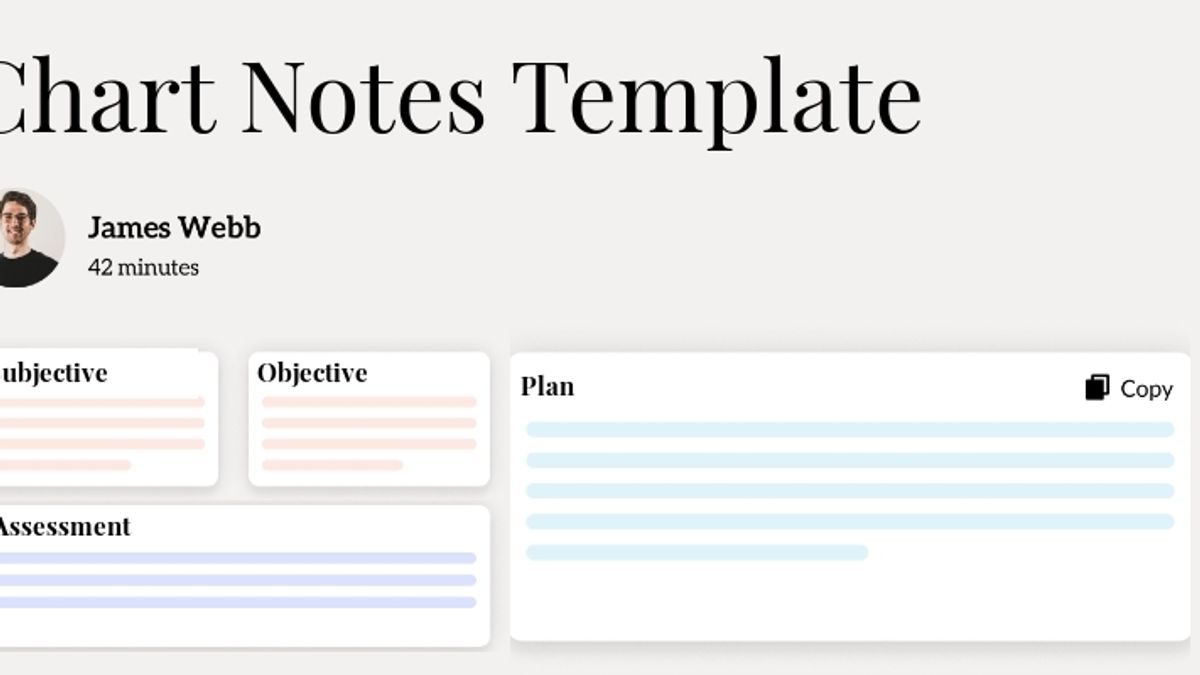
Imagine being in the bustling world of medical documentation where capturing patient interactions accurately and efficiently is vital. Now think about the challenge of sorting through mountains of paper, outdated systems, or inconsistent chart notes. If this sounds familiar, you're in the right place! This blog post will uncover the secrets of using the Chart Notes Template to simplify this process, saving time and improving accuracy.
What Is a Chart Notes Template?
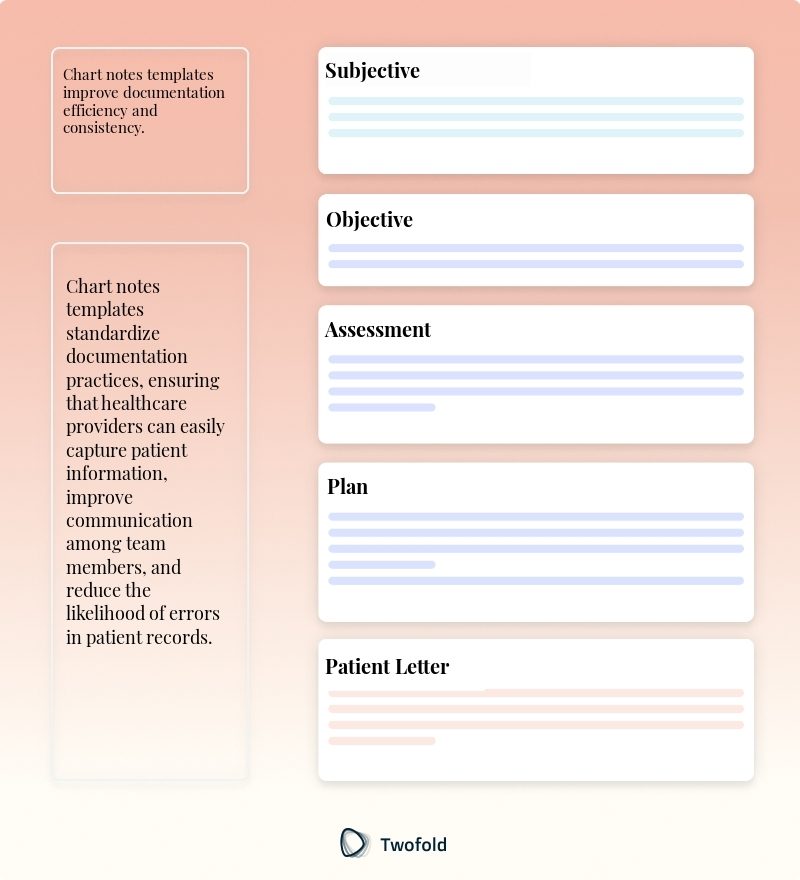
The Chart Notes Template is a structured document used within medical settings to record patient visits, assessments, and treatments efficiently. This template standardizes the recording process, allowing healthcare professionals to log essential information consistently, thereby facilitating better communication and decision‑making.
Chart notes are crucial for ensuring that every aspect of patient interactions are precisely documented. In the hustle of clinical practice, these templates serve as a vital tool for organizing and retrieving medical information swiftly, ultimately aiding in delivering quality patient care.
Key Components of a Chart Notes Template
An effective Chart Notes Template usually includes the following components:
- Patient Demographics: Name, age, gender, ID number
- Medical History: Past illnesses, surgeries, family history
- Current Medication: List and dosage of medications the patient is taking
- Clinical Notes: Observations, assessments, diagnoses
- Treatment Plan: Prescribed treatments, follow-up instructions
- Lab Results: Relevant tests and their results
- Allergies: Documented allergies and reactions
- Signature: Attendee healthcare professional's signature and date
How to Use a Chart Notes Template: Step-by-Step Process
- Begin with filling out patient demographic information.
- Summarize the patient’s medical history for context.
- Record any current medications and allergies.
- Log observations and assessments under clinical notes.
- Develop and document a treatment plan.
- Attach lab results as needed, with interpretations.
- Sign the chart to finalize the notes.
Benefits of a Chart Notes Template
Benefit | Description |
|---|---|
Consistency | Standardized template ensures uniform documentation style across records. |
Efficiency | Saves time by reducing repetitive data entry and allows quick access to patient history. |
Accuracy | Decreases human error through predefined fields and sections. |
Communication | Enhances information sharing within the healthcare team for cohesive care. |
Auditing | Facilitates easy compliance checks and quality assurance activities. |
Stakeholders in Chart Notes
Several stakeholders rely on meticulous chart notes for various aspects of healthcare delivery:
- Physicians: Dr. Jordan uses these notes to review patient progress effectively before consultations, ensuring comprehensive follow-ups.
- Nurses: Nurse Anne refers to these notes for administering medications accurately, avoiding any patient drug interactions.
- Healthcare Administrators: Louise, an administrator, utilizes these records for maintaining patient data continuity and auditing compliance findings.
- Insurance Companies: Claims processors rely on these notes to validate treatment claims and approve payments expediently.
- Patients: Chart notes help patients like John understand their ongoing treatment plans and actively engage in their healthcare management.
Example of a Chart Note
The following is a simplified snippet demonstrating how a completed Chart Note may appear: