



When you're dealing with patient referrals, the process can sometimes feel like a game of telephone. One missed detail can lead to confusion and delays in patient care. If you've ever experienced the frustration of incorrect information being passed along or a patient going to the wrong specialist, you know how crucial a solid patient referral form can be. So let's explore how a well‑structured Patient Referral Form Template can alleviate some of these common pain points and streamline communication between providers.
What Is a Patient Referral Form Template?
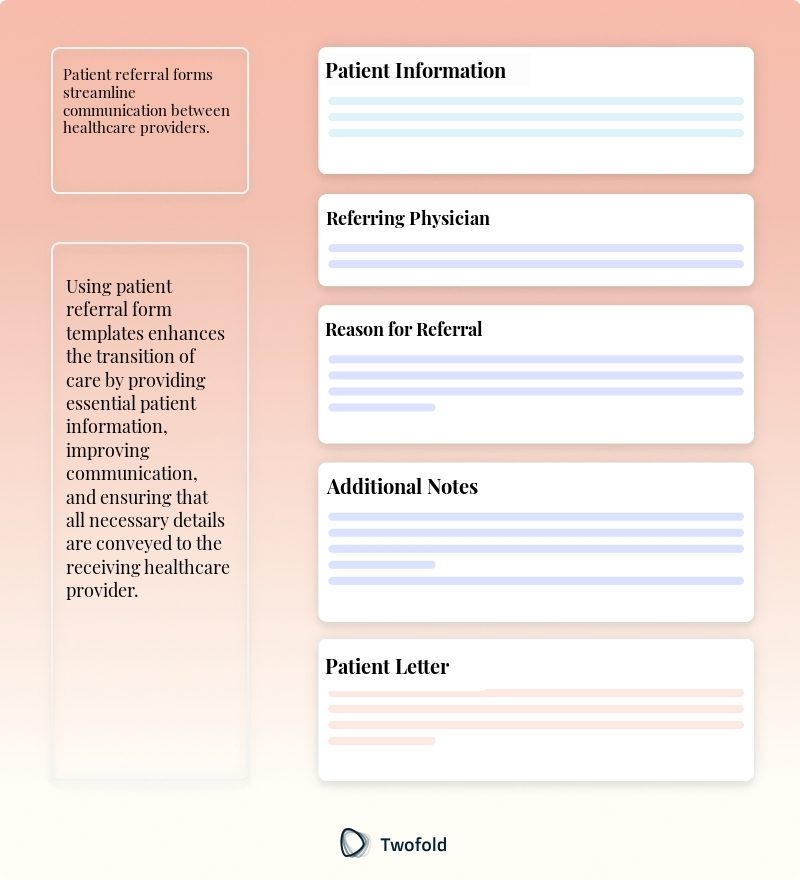
A Patient Referral Form Template serves as a structured document that healthcare providers use to refer patients to specialists for further examination or treatment. This template standardizes the information required for a smooth referral process.
The form typically includes sections for patient details, reason for referral, relevant medical history, and the referring provider's information. By having a uniform template, healthcare facilities can minimize errors and make sure that critical information is communicated efficiently.
Key Components of a Patient Referral Form
Here are the primary elements that should be included in any referral form:
- Patient Information: Full name, contact details, and date of birth.
- Referring Provider Details: Name, contact number, and practice address.
- Specialist Information: Recommended specialist's name and contact data.
- Reason for Referral: A clear explanation of why the patient is being referred.
- Relevant Medical History: Important details regarding the patient's conditions or treatments.
- Insurance Information: To facilitate billing and authorizations.
How to Use a Patient Referral Form Template: Step-by-Step Process
- Gather patient information, including demographics and insurance details.
- Identify the need for a referral and select the appropriate specialist.
- Complete the referral form using the standardized template.
- Attach any necessary medical records or test results.
- Send the completed form to the specialist's office.
- Follow up with both the patient and specialist to ensure the appointment is made.
Benefits of a Patient Referral Form
Benefit | Description |
|---|---|
Improved Communication | Ensures that all necessary information is transferred accurately between providers. |
Streamlined Process | Allows for quicker referrals by standardizing the information required. |
Reduced Errors | Minimizes the chances of miscommunication and incorrect treatments. |
Easier Tracking | Facilitates monitoring of patient referrals and follow-ups through structured documentation. |
Improved Patient Satisfaction | Enhances the patient experience by reducing delays and confusion in their care. |
Stakeholders in a Patient Referral Form
Various parties play a role in the referral process, each contributing to a successful transition for the patient.
- Referring Physician: Initiates the referral to the specialist, ensuring the right information is provided.
- Specialist: Receives the referral and takes appropriate action based on the information provided.
- Patient: The one in need of further care; accurate information ensures they receive timely treatment.
- Office Staff: Coordinates the logistics of sending and receiving referrals, helping manage appointments and communications.
Example of a Patient Referral Form
Here is a simplified format of a Patient Referral Form:
Section | Example |
|---|---|
Patient Name | John Doe |
Date of Birth | 01/01/1980 |
Referring Doctor | Dr. Smith |
Specialty Requested | Cardiology |
Reason for Referral | Chest Pain |